
What Does a DEXA Scan Show About Metabolic Health?
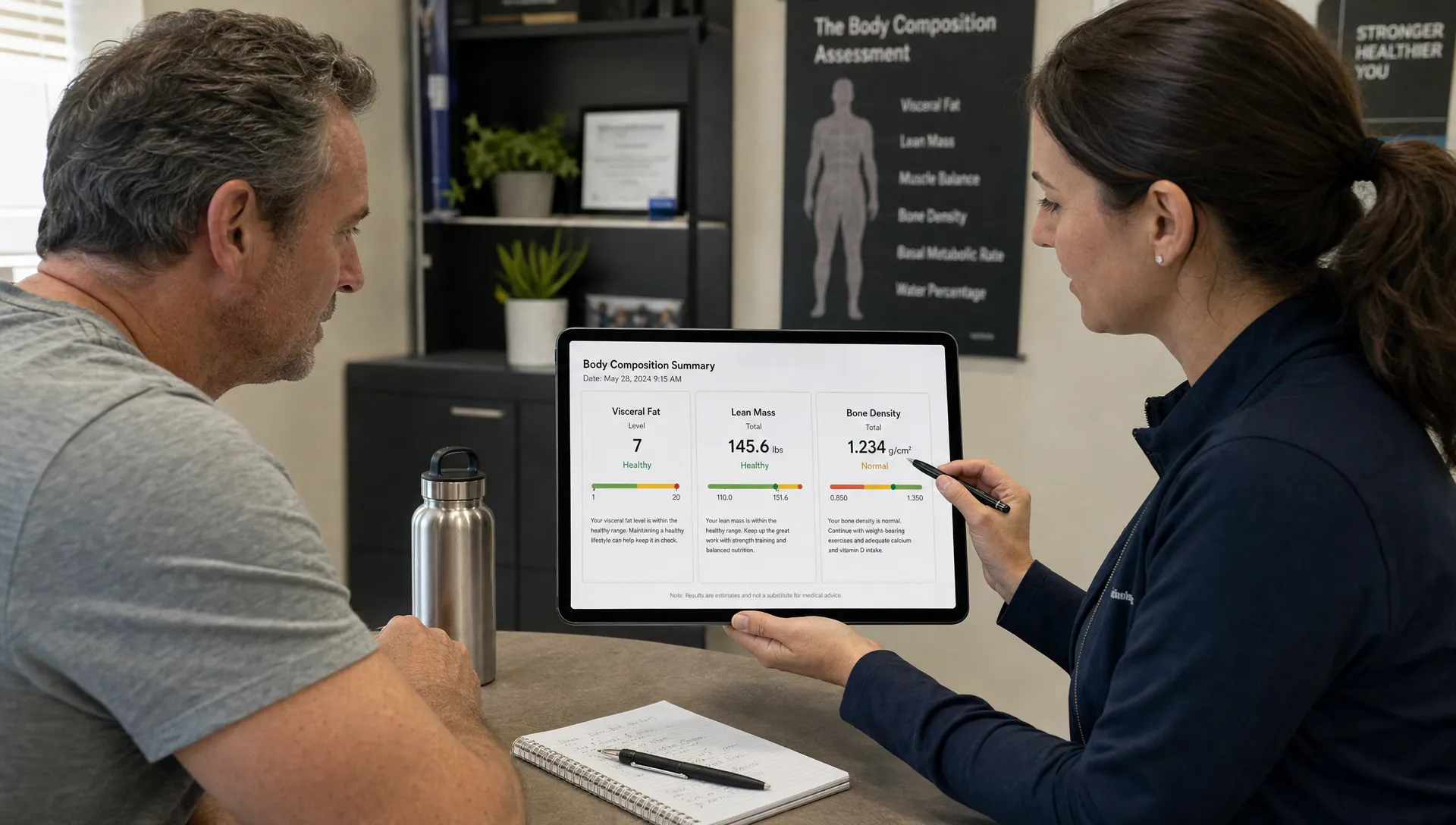
If you are searching for dexa scan what does it show, the short answer is that it reveals the body composition data behind your metabolism: how much fat you carry, where that fat is stored, how much lean mass you have, how balanced your muscle is and what your bone density looks like. It does not replace bloodwork, but it can explain why weight, BMI or a mirror check often miss the full metabolic picture.
Metabolic health is usually discussed through labs such as glucose, insulin, triglycerides and cholesterol. Those markers matter, but they do not show the physical structure driving many of those numbers. A DEXA scan helps connect the dots between your body composition and the habits you are using to improve it, which is why it can be useful for fat loss, strength training, longevity planning and medical weight management.
DEXA scan what does it show for metabolic health?
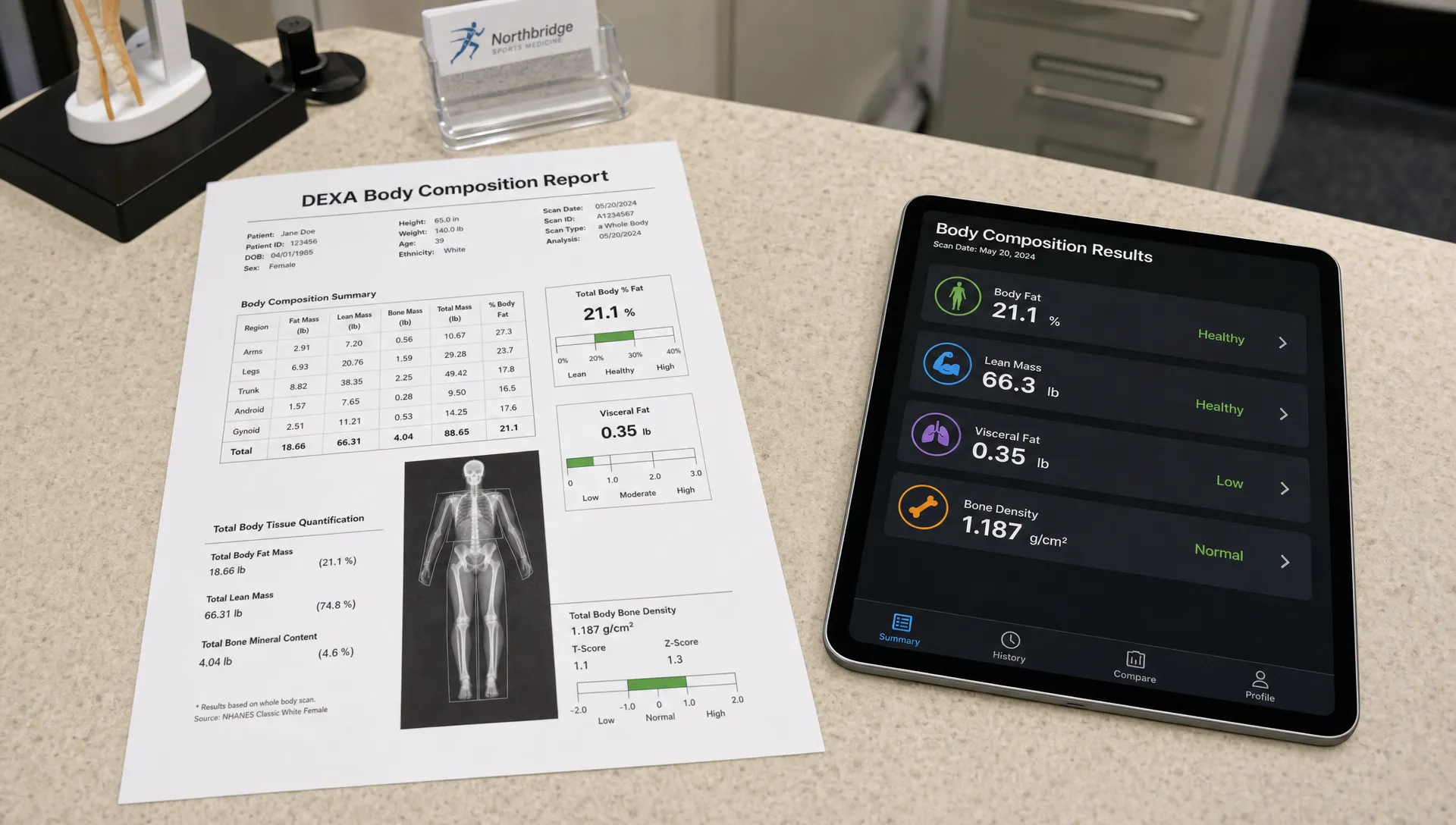
A DEXA scan, short for dual energy X-ray absorptiometry, uses low dose X-ray technology to separate the body into fat mass, lean mass and bone mineral content. In a body composition setting, it produces a regional map of where these tissues are located, not just a single total.
For someone asking dexa scan what does it show, the useful metabolic answer is this: it shows the parts of your body that most influence energy use, cardiometabolic risk and long term physical function. Scale weight can tell you whether you are heavier or lighter. DEXA can show whether that change came from fat, muscle, bone related measures or a mix of all three.
This distinction matters because two people with the same weight can have very different metabolic profiles. One may have higher lean mass, lower visceral fat and stronger bone density. The other may have more abdominal fat and less muscle, even if their BMI looks similar. The CDC notes that BMI does not measure body fat directly, which is one reason body composition testing can add practical context.
The key DEXA metrics tied to metabolism
DEXA results are most useful when you understand how each metric relates to a real metabolic question. The scan is not telling you whether you have diabetes, fatty liver disease or high cholesterol. It is showing body composition patterns that can influence those risks and help you track whether your plan is moving in the right direction.
When people ask dexa scan what does it show, they often expect one number. In reality, the value comes from seeing several measurements together, then interpreting them against your goal, training history, age and health context.
| DEXA metric | What it shows | Why it matters for metabolic health |
|---|---|---|
| Total body fat percentage | The share of your body mass made up of fat tissue | Helps assess whether weight change is mostly fat loss or something else |
| Regional fat distribution | Where fat is stored across the trunk, arms, legs and hips | Abdominal fat patterns may carry different risk than lower body fat storage |
| Visceral fat estimate | Fat stored deep in the abdomen around internal organs | Higher visceral fat is linked with poorer cardiometabolic risk patterns |
| Lean mass | Muscle and other non-fat, non-bone soft tissue | More lean mass generally supports higher energy needs and better function |
| Appendicular lean mass | Lean tissue in the arms and legs | Useful for tracking muscle development, aging related changes and training progress |
| Bone mineral density | Mineral content and density of bone | Helps assess skeletal health, which can be affected by age, nutrition and activity |
| Left vs. right balance | Side to side differences in lean mass | Can reveal asymmetries that may affect performance or injury risk |
Body fat percentage gives weight loss context
Body fat percentage is one of the first numbers people look for, but it is most useful when paired with lean mass. If your weight drops by 10 pounds and most of that change is fat, your metabolic strategy is probably working well. If a large share comes from lean mass, you may need to adjust protein intake, resistance training or the speed of weight loss.
This is where DEXA is more informative than a bathroom scale. A scale cannot show whether you are losing fat while preserving muscle. A DEXA scan can separate those outcomes, helping you avoid the common mistake of celebrating any weight loss even when the composition of that loss is not ideal.
If your main question is dexa scan what does it show during a fat loss phase, body fat percentage answers whether your overall fat burden is changing while other metrics show whether you are protecting the tissue that supports strength and daily energy expenditure.
Visceral fat is a major metabolic clue
Visceral fat is the fat stored deep in the abdomen, around organs. It is different from subcutaneous fat, which sits under the skin. You cannot accurately judge visceral fat by pinching your waist or looking in the mirror, since people with similar waist sizes can have different internal fat levels.
DEXA estimates visceral adipose tissue in the abdominal region, giving you a clearer view of a fat depot that is closely connected to metabolic risk. Higher visceral fat tends to track with less favorable patterns in insulin sensitivity, triglycerides and inflammation, although labs and a clinician are needed to evaluate those conditions directly.
For a deeper look at this specific measurement, DEXA SF has a guide on what a DEXA scan for visceral fat can reveal. The main takeaway is simple: visceral fat is not just about appearance. It is one of the body composition markers most relevant to metabolic health.
Lean mass connects DEXA to energy needs
Muscle is metabolically active tissue. It is not the only driver of calorie needs, but it plays a meaningful role in resting energy expenditure, glucose disposal, strength and healthy aging. That is why lean mass is central to interpreting a DEXA scan through a metabolic lens.
A person with more lean mass typically has higher baseline energy needs than someone of the same weight with less lean mass. This can affect nutrition planning, maintenance calories and how aggressive a calorie deficit should be. DEXA does not directly measure resting metabolic rate, but lean mass can help estimate and interpret it.
When someone asks dexa scan what does it show for nutrition planning, lean mass is one of the most actionable answers. It can guide protein targets, strength training priorities and whether your current routine is building, maintaining or sacrificing muscle.
Bone density adds another layer to the metabolic picture
Bone density is not always the first thing people associate with metabolism, but it belongs in the conversation. Bone responds to loading, nutrition, hormones, age and overall health. Low bone density can be a concern for older adults, postmenopausal women, endurance athletes, people with chronic underfueling and anyone with risk factors for osteoporosis.
A DEXA scan can show bone mineral density alongside body composition, which is helpful because fat loss or performance goals should not come at the expense of skeletal health. Rapid weight loss, low energy availability or inadequate protein, calcium and vitamin D can all work against long term resilience.
If you want the broader view of how one scan can include both composition and skeletal measures, DEXA SF explains the connection in Body and Bone Health: What One Scan Can Show.
What DEXA does not show
A DEXA scan is powerful, but it is not a complete metabolic diagnosis. It does not directly measure fasting glucose, insulin, A1C, cholesterol, blood pressure, thyroid function, liver enzymes or inflammatory markers. Those require lab testing or clinical evaluation.
This limitation is not a weakness. It helps define the best use of the scan. DEXA shows your structural metabolic context, while labs show biochemical status. Together, they can create a more complete picture than either one alone.
For people wondering dexa scan what does it show compared with a metabolic test, the distinction is that DEXA measures body composition while metabolic testing may estimate resting metabolic rate or fuel use. DEXA SF covers that complementary relationship in more detail in What a Metabolic Scan Can Tell You Alongside DEXA.
How to use your DEXA results for better decisions
The best scan is the one you can act on. At DEXA SF, results can be paired with expert interpretation, fitness guidance and nutrition advice so the numbers become a practical plan rather than a report you file away.
If your visceral fat is high, the priority may be consistent fat loss, improved cardiorespiratory fitness, resistance training and nutrition habits that support adherence. If lean mass is low, the priority may shift toward progressive strength training and adequate protein. If your left and right sides show meaningful asymmetry, your training plan may need more unilateral work or a referral to a qualified movement professional.
People asking dexa scan what does it show should also ask what changed since the last scan. A single scan gives you a baseline. A follow up scan, often after enough time for training or nutrition changes to take effect, shows whether your current strategy is producing the tissue changes you intended.
Who benefits most from this kind of scan?
A DEXA body composition scan can be useful for many goals, but it is especially helpful when scale weight is confusing. That includes people who are lifting weights, losing weight, using medical weight management, returning from injury or trying to reduce abdominal fat without sacrificing muscle.
It can also be useful for people who feel stuck despite doing the right things. If the scale has not moved but lean mass increased and fat mass decreased, that is progress. If weight dropped but lean mass dropped too, the plan may need adjustment. DEXA gives you a more honest scorecard.
Athletes and active adults may use it to monitor muscle balance and regional development. Adults focused on longevity may use it to track visceral fat, lean mass and bone density over time. The common thread is that DEXA turns vague goals into measurable targets.
How often should you rescan?
There is no universal schedule. Many people wait about 8 to 12 weeks after a meaningful training or nutrition change, since rescanning too soon may not show enough change to justify the test. Others scan a few times per year to track longer term trends.
The right cadence depends on your goal. Fat loss phases, muscle gain phases and bone health monitoring do not all move at the same speed. If you are working with a clinician, coach or dietitian, your scan timing should fit the plan they are helping you manage.
For anyone still asking dexa scan what does it show after the first report, the follow up is often where the scan becomes most valuable. Trends show whether your body is responding, not just where you started.
Frequently Asked Questions
Can a DEXA scan diagnose metabolic syndrome? No. A DEXA scan cannot diagnose metabolic syndrome because that diagnosis depends on clinical measures such as waist circumference, blood pressure, blood glucose, triglycerides and HDL cholesterol. It can show body composition patterns, such as visceral fat and low lean mass, that may be relevant to the discussion.
Does DEXA measure metabolism directly? DEXA does not directly measure resting metabolic rate. It measures fat mass, lean mass and bone mineral measures. Because lean mass strongly influences energy needs, DEXA results can help interpret or estimate metabolic needs when paired with other data.
Is visceral fat more important than total body fat? Both matter, but visceral fat is especially relevant for metabolic health because it is stored around internal organs and is more closely associated with cardiometabolic risk patterns. Total body fat still matters for overall energy balance and long term health.
Can DEXA show whether my diet is working? It can show whether your diet and training plan are changing fat mass and lean mass in the intended direction. It cannot tell you the exact foods to eat, but it provides objective feedback that can guide nutrition adjustments.
Is a DEXA scan useful if my BMI is normal? Yes, in some cases. A normal BMI can still hide higher body fat, low muscle mass or elevated abdominal fat. DEXA can provide more specific information than BMI alone.
Get a clearer view of your metabolic health
A DEXA scan does not replace medical care, lab testing or consistent habits. It gives you a clearer map of the tissues that influence metabolic health, including fat, visceral fat, lean mass, asymmetry and bone density.
If you want precise body composition data with expert interpretation in San Francisco, DEXA SF can help you turn your scan results into practical fitness and nutrition decisions.