
What a DEXA Body Scan Can Tell You in 10 Minutes
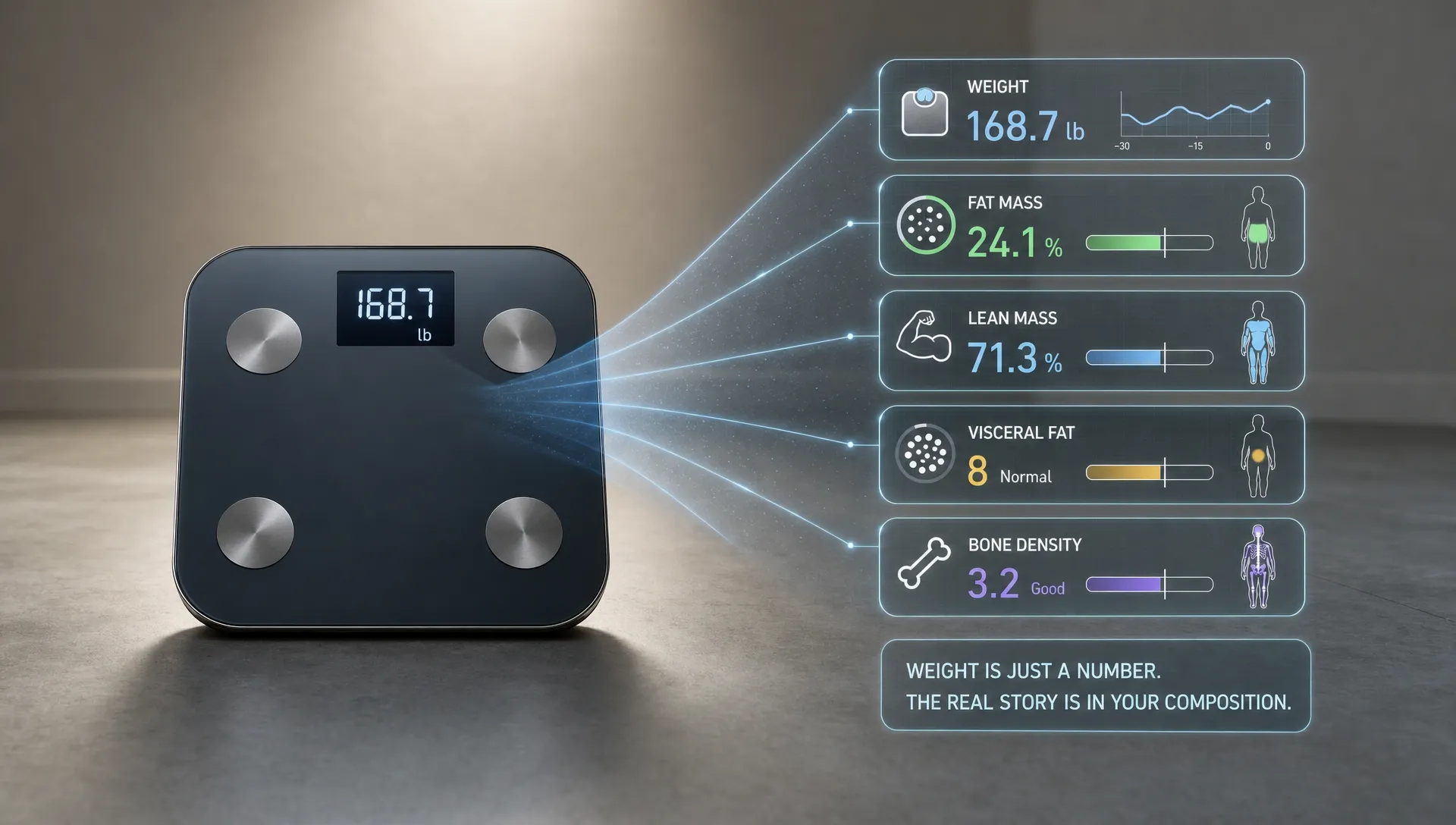
Most people can step on a scale in five seconds, but that number can hide almost everything you actually care about. A 180-pound person who gained muscle and lost fat may look “unchanged” on a scale. Someone else may lose weight while also losing the lean mass that supports strength, metabolism, and long-term health.
A DEXA body scan changes the question from “What do I weigh?” to “What is my body made of, where is it distributed, and what should I do next?” In a short scan, you can get a detailed snapshot of body fat, lean mass, visceral fat, bone measures, and left-to-right balance. That makes it useful for athletes, people changing their nutrition, anyone tracking fat loss, and people who want a clearer baseline than BMI or bathroom scales can provide.
The scan itself is quick. The real value is what those minutes can reveal when the results are interpreted in context.
Why a DEXA body scan can reveal so much so quickly
DEXA stands for dual-energy X-ray absorptiometry. It uses two low-dose X-ray energy levels to estimate different tissue types, primarily bone mineral, fat mass, and lean mass. Because the scan analyzes the whole body and separates regions, it can show not just how much fat or lean tissue you have, but where it is.
That regional detail is one reason DEXA is so different from common measurement tools. A scale gives total weight. BMI compares weight to height, but the CDC notes that BMI does not measure body fat directly. Skinfold calipers and bioelectrical impedance devices can be useful for rough tracking, but results can vary based on technique, hydration, device quality, and assumptions built into the formula.
A DEXA scan is still a snapshot, not a complete medical history. But it is a far more specific snapshot. If you want a first-time overview of how the technology works, this guide to DEXA X-ray for first-time patients explains the basics in plain language.
What the scan can tell you in about 10 minutes
The biggest benefit of a DEXA body scan is that it turns one short appointment into multiple categories of information. Instead of getting one number, you get a body composition profile that can inform training, nutrition, and progress tracking.
| DEXA result | What it helps answer | Why it matters |
|---|---|---|
| Body fat percentage | What portion of your weight is fat? | Helps you track fat loss more accurately than scale weight alone. |
| Fat mass | How many pounds of fat tissue do you carry? | Makes changes easier to quantify over time. |
| Lean mass | How much non-fat, non-bone tissue do you have? | Helps assess muscle-building, muscle retention, and training outcomes. |
| Regional lean mass | How is lean tissue distributed across arms, legs, and trunk? | Can highlight training imbalances or side-to-side differences. |
| Visceral fat | How much fat is stored around the abdominal organs? | Offers insight beyond appearance or waist size. |
| Bone measures | What does the scan show about bone mineral content or density? | Supports awareness of bone health and may guide follow-up when appropriate. |
| Asymmetry | Is one side carrying more lean mass than the other? | Useful for athletes, rehab-minded training, and injury-prevention conversations. |
Body fat percentage and fat mass
Body fat percentage is often the headline number people look for first. It tells you what percentage of your total mass is fat tissue. But fat mass, the actual number of pounds of fat, is just as important.
For example, if your weight stays the same but fat mass drops and lean mass rises, your scale might say “no progress” while your DEXA results show a meaningful change. This is common during strength training, recomposition programs, and improved nutrition plans.
A DEXA report can also help you avoid overreacting to normal weight fluctuations. Water retention, food volume, sodium intake, and glycogen storage can shift scale weight from day to day. DEXA is not immune to biological variability, but it gives you a clearer separation between fat and lean tissue than scale weight does.
Lean mass and muscle distribution
Lean mass includes muscle and other non-fat soft tissues. For fitness planning, it is one of the most practical DEXA metrics because it helps answer whether your workouts and nutrition are supporting the tissue you want to build or preserve.
If you are dieting, lean mass helps you see whether weight loss is coming mostly from fat or whether you may need more protein, better resistance training, more recovery, or a less aggressive calorie deficit. If you are gaining weight intentionally, it helps you see whether the gain is primarily lean tissue, fat, or a mix of both.
DEXA also breaks lean mass into regions, such as arms, legs, and trunk. That regional view can be especially helpful if you play a sport, lift weights, run, cycle, or are returning from a period of reduced activity.
Left-to-right asymmetries
A DEXA body scan can compare lean mass from one side of the body to the other. This does not diagnose an injury, and asymmetry is not automatically a problem. Most people are naturally a little dominant on one side.
The useful question is whether the difference is large enough to influence training decisions. If one leg has meaningfully less lean mass than the other, you might discuss unilateral strength work, technique, mobility, or recovery with a qualified coach, physical therapist, or clinician. For athletes, this can be valuable baseline data before a training block or during a return-to-performance plan.
Visceral fat
Visceral fat is stored deeper in the abdomen, around internal organs. It is different from subcutaneous fat, which sits under the skin. Two people can have similar body weight or even similar body fat percentages, but different visceral fat levels.
This is one of the reasons DEXA can be more informative than appearance-based tracking. Waist size and mirror checks can provide clues, but they do not separate fat compartments with the same level of detail. A DEXA scan can help you understand whether changes in your training, nutrition, sleep, and alcohol intake are moving this deeper fat measure in the right direction.
Bone density and bone mineral information
DEXA technology is widely used for bone measurement. The FDA describes bone density testing as a way to estimate bone mineral density and help assess fracture risk when used in the appropriate medical context.
In a body composition setting, your scan may include bone mineral content or density information that adds another layer to your health picture. This can be especially relevant if you are an endurance athlete, postmenopausal, have a history of low energy availability, have had stress fractures, or simply want to track body and bone health together.
If you need a formal osteoporosis evaluation, interpretation should follow clinical guidance and may require specific scan sites and review by a medical professional. For general fitness and wellness tracking, bone-related data still gives useful context that body fat scales cannot provide.
What a DEXA body scan cannot tell you
A DEXA scan is powerful, but it is not a magic answer for every health question. Knowing its limits helps you use the results wisely.
A DEXA body scan does not directly measure cardiovascular fitness, blood sugar control, cholesterol, hormone levels, sleep quality, or nutrient status. It also does not tell you whether a specific diet is “best” for you. It shows body composition outcomes, which you can then connect with habits, lab work, performance, and how you feel.
It also should not be treated as a daily tracking tool. Body composition changes take time, and small short-term shifts can be influenced by hydration, recent training, carbohydrate intake, and normal measurement variability. The best use is usually to create a high-quality baseline, then repeat under similar conditions after a meaningful training or nutrition period.
How to turn your results into better decisions
The scan is only the starting point. The next step is translating the numbers into a plan that fits your goals.
If your goal is fat loss, your DEXA results can help you set a target based on fat mass rather than only body weight. That makes your plan more precise. Instead of aiming to “lose 15 pounds,” you may discover that the better goal is to reduce fat mass while preserving as much lean mass as possible.
If your goal is performance, lean mass distribution and asymmetry can guide training priorities. A runner, for example, may care less about being as light as possible and more about maintaining leg strength, limiting excess fat gain, and supporting bone health. A strength athlete may care about whether a weight-class change is improving lean mass or simply adding fat mass.
If your goal is general health, visceral fat and bone measures can help you focus on the parts of body composition that matter beyond aesthetics. A lower scale weight is not always better if it comes with muscle loss. A stable weight is not always a plateau if your fat mass is decreasing and lean mass is increasing.
To get the most useful trend data, keep conditions consistent:
- Schedule repeat scans at similar times of day when possible.
- Avoid comparing results taken immediately after unusual travel, dehydration, or extreme training sessions.
- Track major changes in training, calories, protein intake, sleep, and medications.
- Focus on trends across months, not tiny changes between close-together scans.
- Review results with someone who can explain what is meaningful and what is noise.
For a deeper look at interpreting the fat-related numbers, this article on how to read DEXA scan body fat results breaks down common report sections and what they mean.
Who benefits most from a 10-minute scan?
A DEXA body scan is useful for anyone who wants objective body composition data, but it is especially valuable when your goals are specific enough that scale weight is no longer enough.
You may benefit from a scan if you are starting a structured fat-loss plan and want an accurate baseline. It can also help if you are strength training and want to know whether your program is adding lean mass. Athletes often use DEXA to understand muscle distribution, monitor changes during training cycles, and avoid making performance decisions based only on body weight.
It can also be useful during major life transitions. People returning to fitness after time off, changing nutrition strategies, recovering from injury with professional guidance, or focusing on healthy aging may all benefit from measuring more than pounds.
A scan is not only for elite athletes. In many ways, it is most helpful for people who are tired of guessing. If you have been working hard but the scale is confusing, DEXA can show whether your efforts are producing changes that a bathroom scale cannot see.
What to expect from a DEXA scan appointment
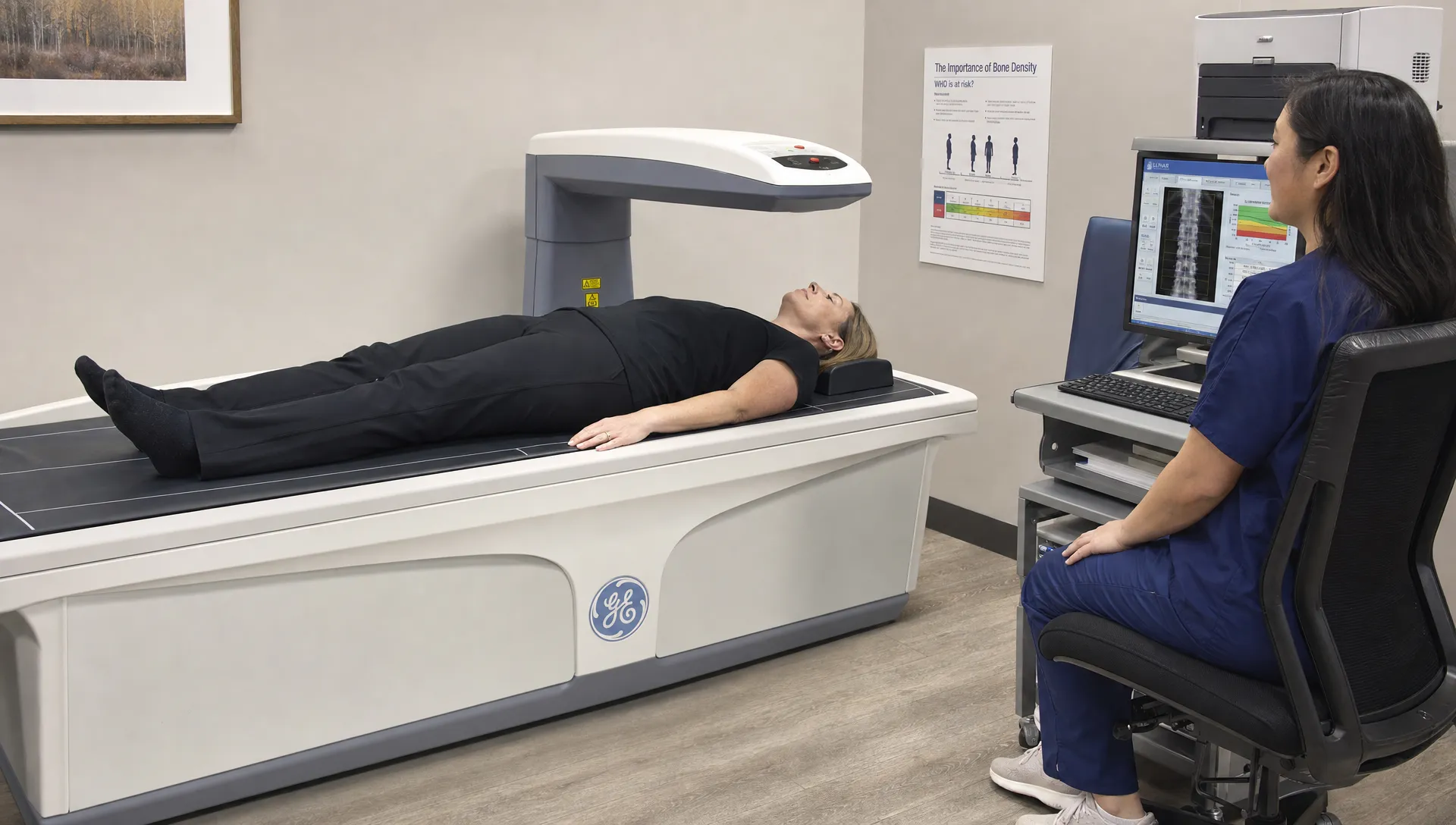
During the scan, you typically lie still on the scan table while the scanning arm passes over your body. The process is noninvasive, and the scan itself is usually quick. You may be asked to remove metal items or wear clothing without metal hardware so the scan can be performed cleanly.
The most important part comes after the scan: interpretation. Raw numbers are helpful, but context is what turns data into action. At DEXA SF, the service includes professional body composition scanning along with expert interpretation, fitness guidance, and nutrition advice based on your results.
If you are comparing timing, costs, or how often to scan, this DEXA scan guide for 2026 can help you think through when a scan makes sense for your goals.
Frequently Asked Questions
Is a DEXA body scan really done in 10 minutes? The scan itself is typically quick and can often be completed in about 10 minutes. Your full visit may take longer depending on check-in, preparation, result review, and questions.
What should I wear for a DEXA body scan? Wear comfortable clothing without metal when possible. Avoid zippers, underwire, heavy jewelry, belts, or metal accessories that could interfere with the scan.
How often should I repeat a DEXA scan? It depends on your goal. Many people repeat a scan after a meaningful training or nutrition block, often several months later, so there is enough time for real body composition change to occur.
Can a DEXA scan replace blood work or a physical exam? No. DEXA provides body composition and bone-related information, but it does not measure blood markers, cardiovascular fitness, hormones, or diagnose most medical conditions. Use it alongside appropriate medical care.
Is DEXA useful if I am not an athlete? Yes. DEXA can be valuable for anyone who wants a clearer understanding of fat mass, lean mass, visceral fat, and body composition changes over time.
Get more than a number on the scale
A DEXA body scan gives you a fast, detailed look at what your body weight is made of. In about the time it takes to drink a coffee, you can get a clearer view of fat, muscle, bone, visceral fat, and asymmetries, then use that information to make smarter decisions.
If you want precise body composition data with expert interpretation, you can schedule a professional DEXA body scan in San Francisco with DEXA SF and leave with numbers you can actually use.