
Lean Mass Evaluation for Strength, Health, and Longevity
Most people can tell you whether their weight went up or down last month. Far fewer can tell you whether they gained muscle, lost fat, preserved bone or simply shifted water. That distinction matters for anyone training for strength, trying to improve health markers or planning to stay capable with age.
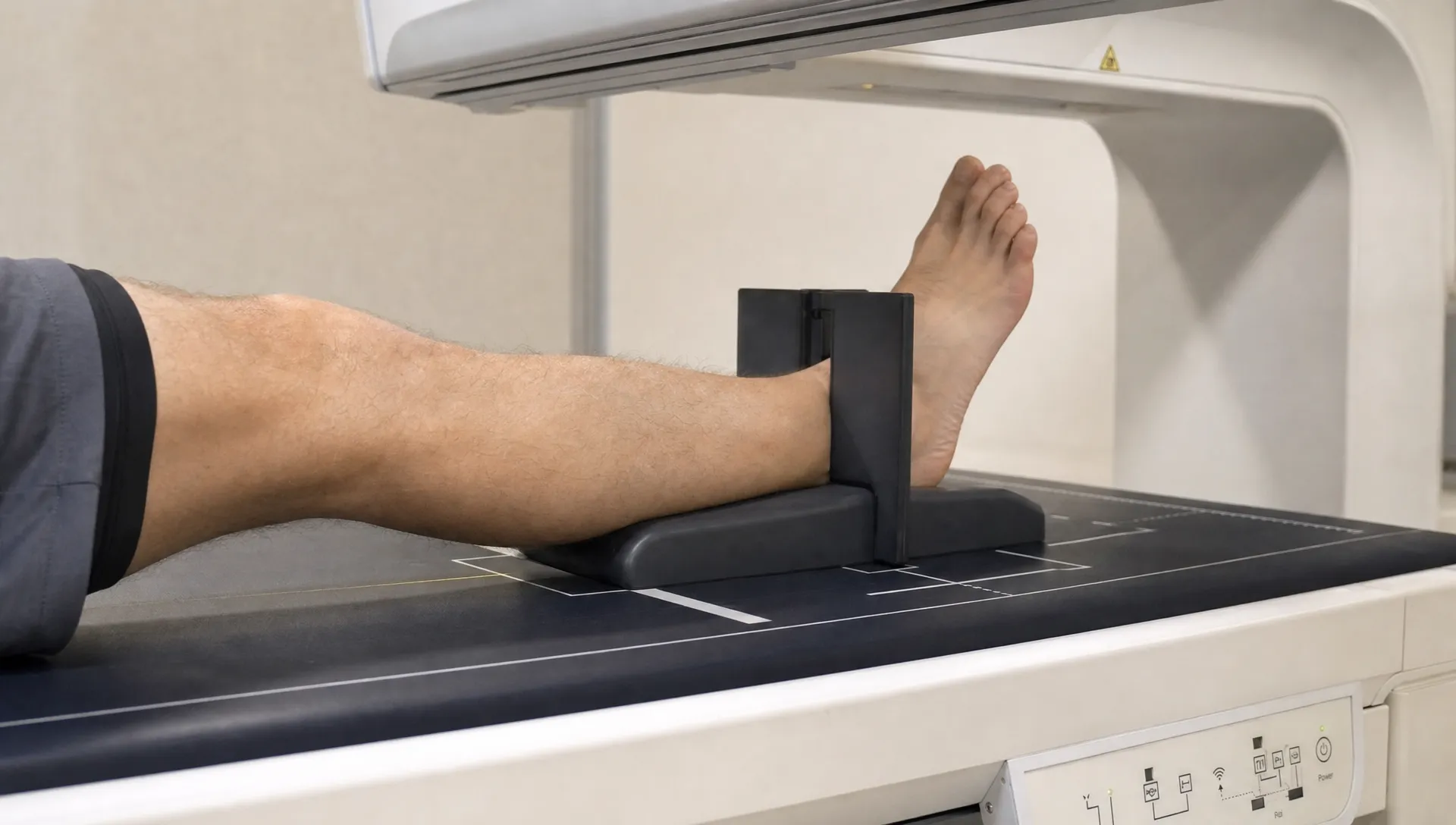
Lean mass evaluation gives you a clearer view of the tissue that supports movement, metabolism and resilience. Instead of treating body weight as a single number, it separates what you are made of and where those tissues are located. With a DEXA scan, that means seeing total and regional lean mass alongside body fat, visceral fat, bone density and left vs. right differences.
For a strength athlete, that information can show whether a training block is building the areas it should. For someone losing weight, it can show whether hard-earned lean tissue is being protected. For adults thinking about longevity, it can turn a vague goal like staying strong into something measurable.
What lean mass evaluation actually measures
Lean mass is often used as a shortcut for muscle, but the two are not identical. In a DEXA body composition scan, your body is generally divided into fat mass, bone mineral content and lean soft tissue. Lean soft tissue includes skeletal muscle, organ tissue, connective tissue and body water.
That does not make the metric less useful. For fitness and health tracking, limb lean mass is especially informative because the arms and legs contain a large amount of skeletal muscle. Changes in arm and leg lean mass over time can help show whether your training and nutrition are supporting muscle gain or preservation.
A good lean mass evaluation also puts the number in context. Ten pounds of lean mass means something different depending on your height, sex, age, training history, sport and fat mass. A DEXA scan helps by showing where lean mass is distributed, not just how much you have in total.
It is also worth remembering that lean mass can be affected by hydration, glycogen storage, recent training and large shifts in food intake. That is why repeat scans are most useful when performed under similar conditions.
Why lean mass matters for strength
Muscle is not the only driver of strength. Technique, tendon stiffness, nervous system adaptation, leverage and skill all matter. A beginner can get stronger for weeks before adding much measurable lean mass because the body is learning how to use existing tissue more efficiently.
Over the long term, however, lean mass gives you more capacity to produce force. If your squat, deadlift or pressing numbers have stalled, regional lean mass can help you see whether the target areas are actually growing. If your legs are adding lean mass but your upper body is not, your training response may be uneven. If one side is consistently behind the other, asymmetry may be limiting performance or increasing compensation patterns.
This is where DEXA becomes more useful than the mirror. Visual changes are affected by lighting, posture, pump and body fat. A scan can show changes in total lean mass, arm lean mass, leg lean mass and left vs. right balance. If your main goal is tracking muscle gain over time, this guide on how a DEXA scan tracks muscle mass progress goes deeper into the specific progress markers to watch.
Why lean mass matters for health and longevity
Lean mass is not only a performance metric. It supports glucose storage, physical independence, injury resilience and recovery from illness. As people age, maintaining strength and muscle becomes one of the practical foundations of staying active.
The CDC adult physical activity guidelines recommend muscle-strengthening activities at least two days per week for adults. The National Institute on Aging also emphasizes strength training as a way to support healthier aging, mobility and daily function.
Longevity is not about having the most muscle possible. It is about having enough usable lean tissue to move well, tolerate stress and maintain independence. A lean mass evaluation helps you monitor that reserve before a problem becomes obvious. If a scale says your weight is stable but DEXA shows declining leg lean mass, that is a signal worth addressing.
Bone health belongs in the same conversation. Resistance training that builds or preserves muscle also loads the skeleton, and DEXA can assess bone density along with body composition. For adults focused on aging well, that combination is valuable because strength, lean mass and bone health often move together.
Why the scale and BMI miss the point
Body weight is easy to measure, which is why people rely on it. The problem is that weight combines fat, muscle, bone, water and food volume into one number. BMI is even more limited because it uses only height and weight. It cannot distinguish a muscular person from someone carrying excess fat at the same weight.
Lean mass evaluation adds clarity by showing whether your body composition is moving in the direction you actually want.
| Tracking method | What it can tell you | What it misses |
|---|---|---|
| Scale weight | Total body weight change | Whether change came from fat, lean tissue, water or bone |
| BMI | Weight relative to height | Muscle mass, fat distribution and fitness context |
| Tape measurements | Circumference changes | Tissue type and regional muscle differences |
| Gym performance | Strength, endurance and skill changes | Whether body tissue changed alongside performance |
| DEXA scan | Fat mass, lean mass, bone density and regional distribution | Strength skill, mobility quality and day-to-day readiness |
A person who loses 12 pounds may be thrilled until they learn that several pounds came from lean tissue. Another person may feel frustrated that the scale barely moved, even though they lost fat and gained lean mass. DEXA helps explain both situations.
What a DEXA based lean mass evaluation can show
A professional DEXA scan can provide a much richer body composition picture than a single body fat estimate. At DEXA SF, scans are used to measure body fat, lean mass, bone density, visceral fat, asymmetry and related metabolic insights, followed by expert interpretation and practical fitness and nutrition guidance.
For lean mass specifically, the most useful outputs are often the regional ones. Total lean mass is a helpful headline number, but arms, legs and trunk tell a better story about training response and health risk.
| DEXA result | Why it matters for lean mass evaluation |
|---|---|
| Total lean mass | Shows your overall non-fat, non-bone soft tissue level |
| Arm lean mass | Helps evaluate upper-body development and left vs. right balance |
| Leg lean mass | Supports strength, mobility and lower-body performance tracking |
| Trunk lean mass | Adds context for total body composition and training response |
| Left vs. right asymmetry | Highlights differences that may affect performance or movement quality |
| Body fat and visceral fat | Shows whether lean mass exists in a favorable body composition context |
| Bone density | Connects strength goals with skeletal health and aging resilience |
If you want a broader view of how these numbers fit together, the article on DEXA body composition metrics that matter most explains the key outputs beyond lean mass.
How to interpret your results without overreacting
A single scan is a baseline, not a verdict. It tells you where you are now so future changes can be measured with more confidence. The value comes from connecting the results to your goal.
If your goal is strength, compare lean mass trends with your training log. Are the muscles involved in your main lifts growing? Is performance improving even if lean mass is flat? Are you adding body fat faster than lean tissue during a gaining phase?
If your goal is fat loss, lean mass preservation becomes one of the most important success markers. Losing fat while maintaining or slightly increasing lean mass is usually a better outcome than rapid weight loss that reduces both fat and muscle.
If your goal is longevity, pay close attention to leg lean mass, asymmetry, bone density and visceral fat. The scan cannot tell you everything about your mobility or balance, but it can show whether the tissue foundation for those abilities is being maintained.

Turning lean mass data into better training decisions
Lean mass evaluation is most useful when it changes what you do next. The scan gives you evidence, then your training plan turns that evidence into adaptation.
A few practical questions can guide the next phase:
- Is lean mass increasing in the body regions your program is supposed to target?
- Are you losing weight while preserving arm and leg lean mass?
- Is one side consistently behind the other in a way that matches your movement patterns?
- Are strength numbers improving without excessive increases in fat mass?
- Do your results suggest you need more recovery, more progressive overload or better nutrition support?
If lean mass is not changing despite hard training, the issue may be insufficient training volume, poor exercise selection, lack of progressive overload, inadequate calories, low protein intake or under-recovery. If lean mass is rising but strength is not, technique, programming or fatigue management may be the limiter.
Asymmetry deserves a thoughtful response. Small left vs. right differences are common, especially in people with a dominant side or sport-specific movement patterns. Larger or growing differences may justify more unilateral work, better exercise execution or guidance from a qualified coach or clinician, especially if pain is involved.
Nutrition makes lean mass gains measurable
Training creates the stimulus. Nutrition supplies the materials. Without enough energy and protein, it is harder to build or preserve lean mass, especially during a calorie deficit.
The International Society of Sports Nutrition position stand reports that many exercising individuals benefit from protein intakes around 1.4 to 2.0 grams per kilogram of body weight per day, depending on goals and context. That is not a universal prescription, but it is a useful reference point for active people.
Calories matter too. A person trying to gain muscle usually needs enough total energy to support training and recovery. A person trying to lose fat needs a deficit that is large enough to reduce fat but not so aggressive that performance and lean mass collapse. Sleep, stress, alcohol intake and meal consistency can also affect the result.
This is where scan data can make nutrition less guess-based. If fat loss is happening but lean mass is dropping, the plan may need more protein, resistance training, recovery or a smaller deficit. If weight is rising but lean mass is not, the surplus may be too large or training may not be providing the right signal. For a more nutrition-focused approach, see how a body scan can help build a better nutrition plan.
How often should you repeat a lean mass evaluation?
Muscle changes take time. For most people, repeating a DEXA scan every 8 to 12 weeks is more useful than scanning every couple of weeks. That window gives training and nutrition enough time to produce a measurable change. For general health and longevity tracking, every 3 to 6 months may be enough, depending on your goals.
Consistency matters more than frequency. To make comparisons cleaner, try to scan under similar conditions each time.
- Choose a similar time of day when possible.
- Keep hydration and meal timing reasonably consistent.
- Avoid scanning right after an unusually hard workout, long travel day or dehydration event.
- Compare results from the same testing method rather than mixing devices.
No measurement is perfect, including DEXA. The goal is not to obsess over tiny fluctuations. The goal is to identify meaningful trends that help you train, eat and recover with better feedback.
Who should consider lean mass evaluation?
Lean mass evaluation is useful for more than bodybuilders. Strength athletes can use it to confirm whether training blocks are producing regional muscle gain. Endurance athletes can use it to maintain power and durability while managing weight. People pursuing fat loss can use it to avoid sacrificing too much lean tissue. Adults over 40 can use it as a baseline for long-term strength, bone health and functional aging.
It can also be valuable during major lifestyle changes. If you are starting a serious resistance training program, changing nutrition, losing significant weight or returning after injury, a baseline scan helps separate guesswork from progress. If medical conditions, medications or pain are part of the picture, scan results should be discussed with an appropriate healthcare professional.
Frequently Asked Questions
Is lean mass the same as muscle mass? Not exactly. DEXA lean mass includes non-fat, non-bone soft tissue such as skeletal muscle, organs, connective tissue and water. Regional limb lean mass is often used as a practical proxy for muscle changes because the arms and legs contain a large proportion of skeletal muscle.
Is DEXA useful for tracking muscle gain? Yes. DEXA can track total and regional lean mass, which makes it useful for monitoring muscle gain or preservation over time. It is especially helpful when paired with strength numbers, training notes and consistent scan conditions.
Can I get stronger without gaining lean mass? Yes. Strength can improve through better technique, coordination and nervous system adaptation. Over the long term, adding or preserving lean mass usually supports greater strength potential, especially in trained individuals.
How much lean mass should I have? There is no single ideal number. Your target depends on height, sex, age, sport, health status and goals. A qualified interpretation is more useful than comparing your result to someone with a different body size or training background.
How often should I get a lean mass evaluation? Many people benefit from scanning every 8 to 12 weeks during active training or body composition changes. For general health tracking, every 3 to 6 months may be enough.
Measure the tissue that supports your goals
If you care about strength, health or longevity, lean mass is too important to leave to guesswork. A DEXA scan gives you a clearer baseline, shows where lean tissue is distributed and helps you understand whether your current plan is moving you in the right direction.
DEXA SF provides professional DEXA body composition scans in San Francisco with precise measurements of lean mass, body fat, bone density, visceral fat and asymmetry, along with expert interpretation and practical fitness and nutrition guidance. When you are ready to replace assumptions with data, you can schedule a DEXA scan with DEXA SF.