
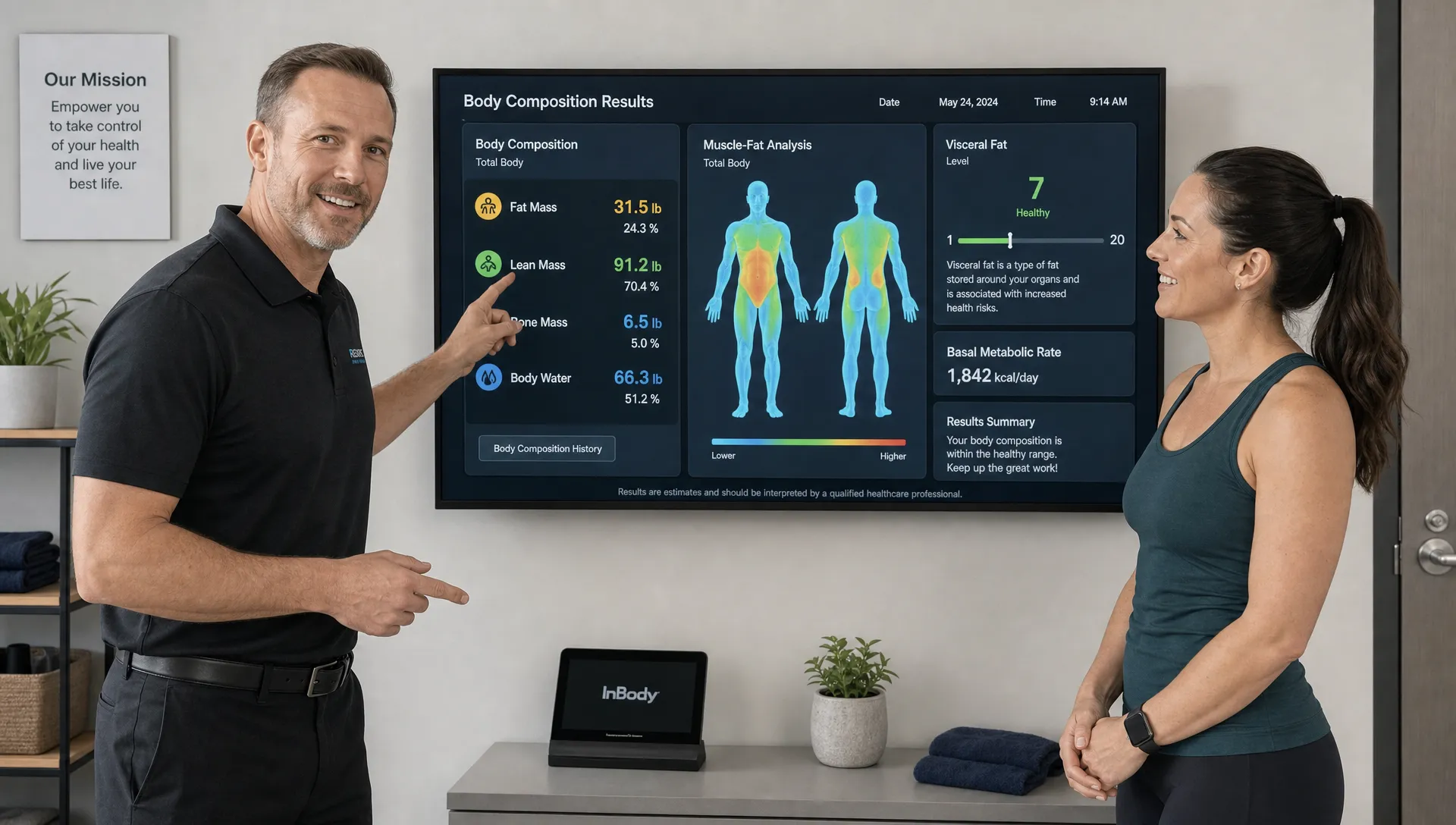
How to Find the Right DEXA Scan Location
Choosing a DEXA scan location is not just about finding the closest appointment on a map. The best location is the one that matches your goal, produces consistent measurements, explains your results clearly, and makes it easy to come back for follow-up scans under similar conditions.
That matters because DEXA, also written as DXA, is often used for two related but different purposes: medical bone density testing and body composition analysis. A great scan experience for osteoporosis screening may look different from a great scan experience for tracking fat loss, muscle gain, visceral fat, or left-right muscle balance.
If you are comparing options, use the checklist below to find a DEXA scan location that gives you useful data, not just a report full of numbers.
Start with your reason for getting a DEXA scan
Before you compare locations, get clear on why you want the scan. Your goal will determine what kind of provider, report, and interpretation you need.
For example, someone with a physician referral for bone density testing may need a medical imaging center that can send results to a doctor. Someone tracking body recomposition may care more about lean mass by region, body fat percentage, visceral fat, and a clear explanation of what to do next.
If you are still deciding between a fitness-focused scan and a medical bone density scan, this guide to DEXA Fit or medical DEXA can help you clarify which path fits your situation.
| Your main goal | What to look for in a DEXA scan location |
|---|---|
| Fat loss or body recomposition | Detailed body composition report, body fat percentage, lean mass, visceral fat, and expert interpretation |
| Muscle gain or athletic performance | Regional lean mass, left-right asymmetry, repeatable scan protocol, and practical training guidance |
| Bone health screening | Bone density analysis, medical documentation, and coordination with a healthcare provider when needed |
| Long-term health tracking | Consistent follow-up process, accessible location, historical comparisons, and clear trend analysis |
| Nutrition planning | Body composition data, metabolic insights when offered, and nutrition guidance from qualified experts |
The right DEXA scan location should make your primary goal easier to act on. If the provider cannot explain which measurements matter for your goal, keep looking.
Check what the scan report actually includes
Not every DEXA report is equally useful. Some locations provide a basic bone density report. Others offer a more complete body composition breakdown with fat mass, lean mass, visceral fat, and regional analysis.
For fitness, nutrition, and performance goals, ask whether the report includes:
- Total body fat percentage and fat mass
- Lean mass by body region
- Bone density or bone mineral content information
- Visceral fat measurement
- Left-right asymmetry analysis
- Historical comparison if you return for another scan
- Clear explanations of what the numbers mean
This is especially important because DEXA data can be precise but still confusing without context. A body fat percentage alone does not tell the whole story. Two people can have the same body fat percentage but very different lean mass, visceral fat, and regional muscle distribution.
If you want a refresher on what the technology measures, read this overview of what a DEXA scan is and why people get one. It explains the basics before you start comparing locations.
Prioritize consistency, not just convenience
Convenience matters, but consistency matters more if you plan to track change over time. A DEXA scan is most useful when you can compare results from similar testing conditions.
That means the right location should have a repeatable process. Ideally, you want the same type of machine, a consistent positioning protocol, clear preparation instructions, and a team that understands how variables like hydration, recent exercise, food intake, and clothing can affect body composition readings.
Ask how the location handles repeat scans. Do they store prior results? Can they show changes over time? Do they recommend scanning at similar times of day or under similar pre-scan conditions? These details make your second, third, and fourth scans more valuable than a one-time snapshot.
For body composition tracking, many people choose a scan interval based on the speed of their program. Someone in a structured fat loss or muscle gain phase may scan every few months, while someone maintaining general health may scan less often. The key is to choose a DEXA scan location you can realistically return to.
Look for expert interpretation, not just a printout
A DEXA report can show body fat, lean mass, bone density, and visceral fat, but interpretation is what turns that information into a plan. Without guidance, it is easy to overreact to a single number or miss the most important trend.
A strong provider should be able to explain questions such as:
- Is your lean mass changing in the areas you care about?
- Is your fat loss coming from fat mass rather than muscle loss?
- Is visceral fat elevated relative to your overall body composition?
- Are there meaningful left-right differences that may affect training?
- Are your results consistent with your current fitness or nutrition strategy?
This is where the scan location can make a big difference. A rushed appointment with no interpretation may leave you guessing. A better experience helps you understand what to focus on next, whether that means adjusting training, protein intake, calorie targets, recovery, or follow-up testing.
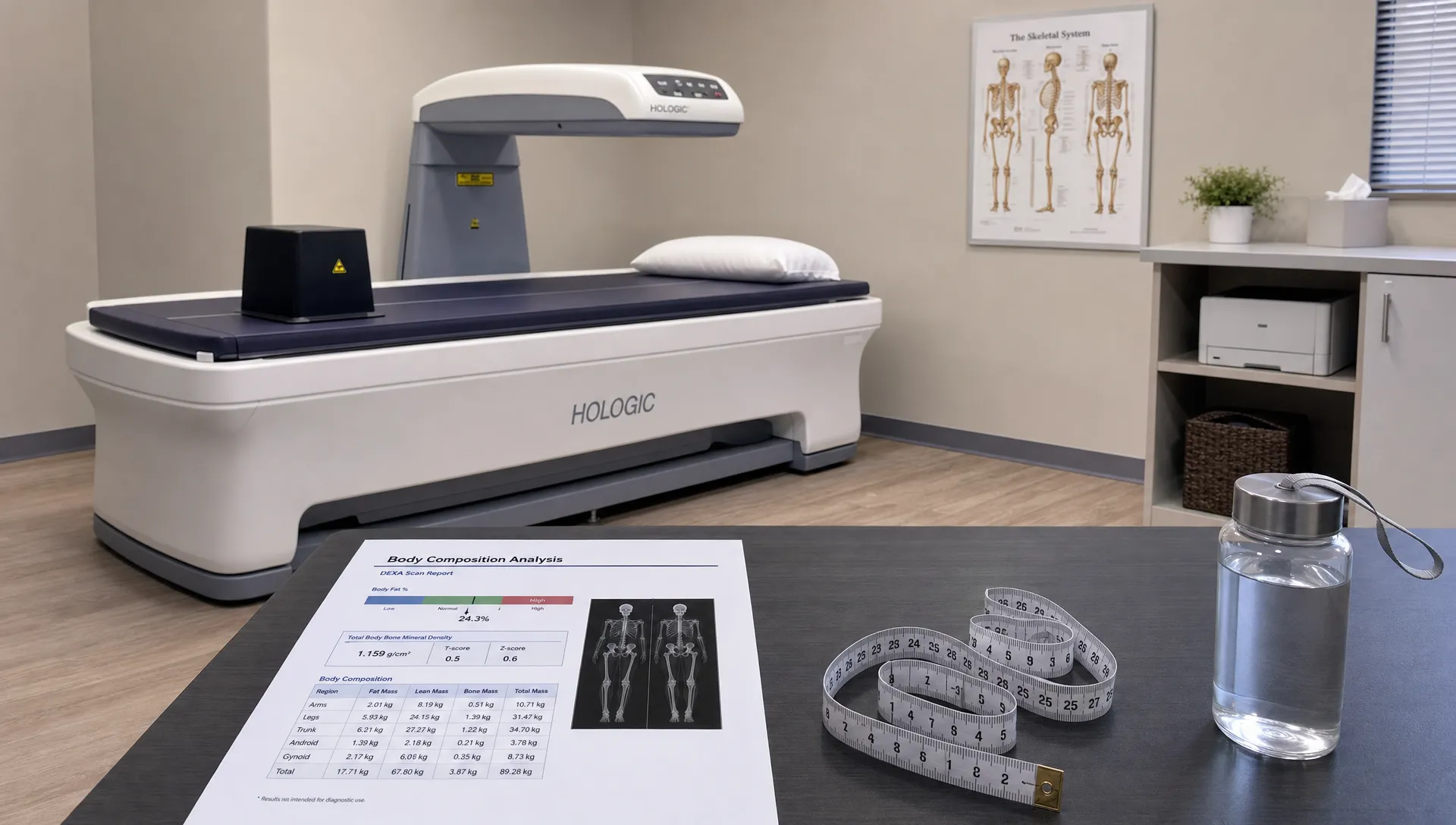
Understand the difference between medical imaging centers and fitness-focused DEXA locations
DEXA is used in both clinical and wellness settings. According to RadiologyInfo.org, DXA is a noninvasive test that uses low-dose x-rays and is commonly used to evaluate bone mineral density. In medical settings, it is often ordered to assess osteoporosis risk or monitor bone health.
Fitness-focused DEXA locations may use the same underlying imaging technology but focus the experience on body composition. That can include fat mass, lean mass, visceral fat, and regional muscle distribution. These insights are often useful for athletes, people changing their body composition, and anyone who wants more accurate information than a scale or smart scale can provide.
Neither option is automatically better. The right choice depends on why you are getting scanned.
| Location type | Best for | What to confirm before booking |
|---|---|---|
| Medical imaging center | Physician-ordered bone density testing, osteoporosis screening, clinical documentation | Whether you need a referral, whether insurance applies, and what results you receive |
| Fitness or wellness DEXA location | Body composition, muscle and fat tracking, performance goals, nutrition planning | Whether the report includes lean mass, visceral fat, asymmetry, and expert explanation |
| Hybrid or specialized provider | People who want body composition plus bone-related insights | Whether staff can explain the results in the context of your goals |
If you are in the Bay Area and want a more local comparison, this article on how to choose a DEXA scan provider in San Francisco goes deeper into provider-specific considerations.
Evaluate the full appointment experience
A good DEXA scan location should make the process clear from start to finish. The scan itself is typically quick, but the value comes from preparation, positioning, reporting, and interpretation.
Before booking, review the website or call the provider to confirm basic logistics. Are appointment times easy to schedule? Is the location realistic for repeat visits? Do they explain how to prepare? Do they tell you what to wear? Do they offer guidance after the scan?
Small friction points matter. If parking, transit, appointment availability, or unclear instructions make the process difficult, you may be less likely to return for follow-up testing. That weakens the value of DEXA as a tracking tool.
For San Francisco residents, location can be especially important because travel time varies widely by neighborhood, commute route, and time of day. A slightly farther provider may be worth it if the report and interpretation are much better, but the best choice is still one you can use consistently.
Watch for red flags when comparing scan locations
Most DEXA providers are legitimate, but not every location is equally suited to every goal. Be cautious if the provider cannot clearly explain what is included in the scan, how results are interpreted, or whether you can compare future scans with past results.
Other red flags include vague sample reports, no preparation instructions, no explanation of body composition metrics, or a staff member who cannot answer basic questions about lean mass, visceral fat, or scan consistency. You do not need a lecture before booking, but you should feel confident that the team understands the type of data you want.
Be careful with locations that market DEXA as a magic answer. A scan is a measurement tool. It can show what is happening in your body, but it does not replace medical care, sound nutrition, progressive training, sleep, or recovery. The best DEXA scan location will help you use the data responsibly.
Questions to ask before you book
Use these questions to compare providers quickly. You do not need perfect answers to every question, but the responses should make you feel more confident, not more confused.
| Question | Why it matters |
|---|---|
| What does the scan report include? | Confirms whether you will receive the metrics that match your goal |
| Do you provide expert interpretation? | Helps turn data into practical next steps |
| Can I compare future scans with past scans? | Makes progress tracking more meaningful |
| How should I prepare before the scan? | Improves consistency between appointments |
| Do you focus on medical bone density, body composition, or both? | Helps you choose the right setting |
| How long does the appointment take? | Sets expectations and reduces friction |
| Will I receive guidance on fitness or nutrition? | Important if your goal is behavior change, not just measurement |
A quality provider should welcome these questions. Clear answers are often a sign that the location has a thoughtful process.
Frequently Asked Questions
What is the best DEXA scan location near me? The best location is the one that matches your goal, provides the right report, explains your results clearly, and is convenient enough for repeat scans. The closest option is not always the most useful one.
Should I choose a medical DEXA location or a fitness DEXA location? Choose a medical imaging center if your scan is ordered by a clinician for bone health or osteoporosis evaluation. Choose a fitness-focused DEXA location if your main goal is body fat, lean mass, visceral fat, and body composition tracking.
How often should I return to the same DEXA scan location? It depends on your goal and how quickly your body composition is changing. Many people tracking a structured fitness or nutrition plan repeat scans every few months, while others scan less often for long-term monitoring.
Does the DEXA scan location affect results? It can. Results are easier to compare when scans are performed with similar equipment, positioning, preparation, and timing. That is why choosing a consistent location is valuable for progress tracking.
What should I bring to a DEXA scan appointment? Follow the provider's instructions. In general, wear comfortable clothing without metal when possible, bring any prior scan results if available, and ask whether you should avoid heavy exercise or large meals before the scan.
Find a DEXA scan location that helps you act on the data
The right DEXA scan location should give you more than numbers. It should give you confidence in what you are measuring, clarity about what the results mean, and a practical way to track progress over time.
If you are in San Francisco, DEXA SF provides professional DEXA body composition scans with measurements such as body fat, lean mass, bone density, visceral fat, asymmetry, and expert guidance for fitness and nutrition decisions. Choose a location that makes your data easier to understand and easier to use.