
DEXA Fit or Medical DEXA: Which Scan Do You Need?
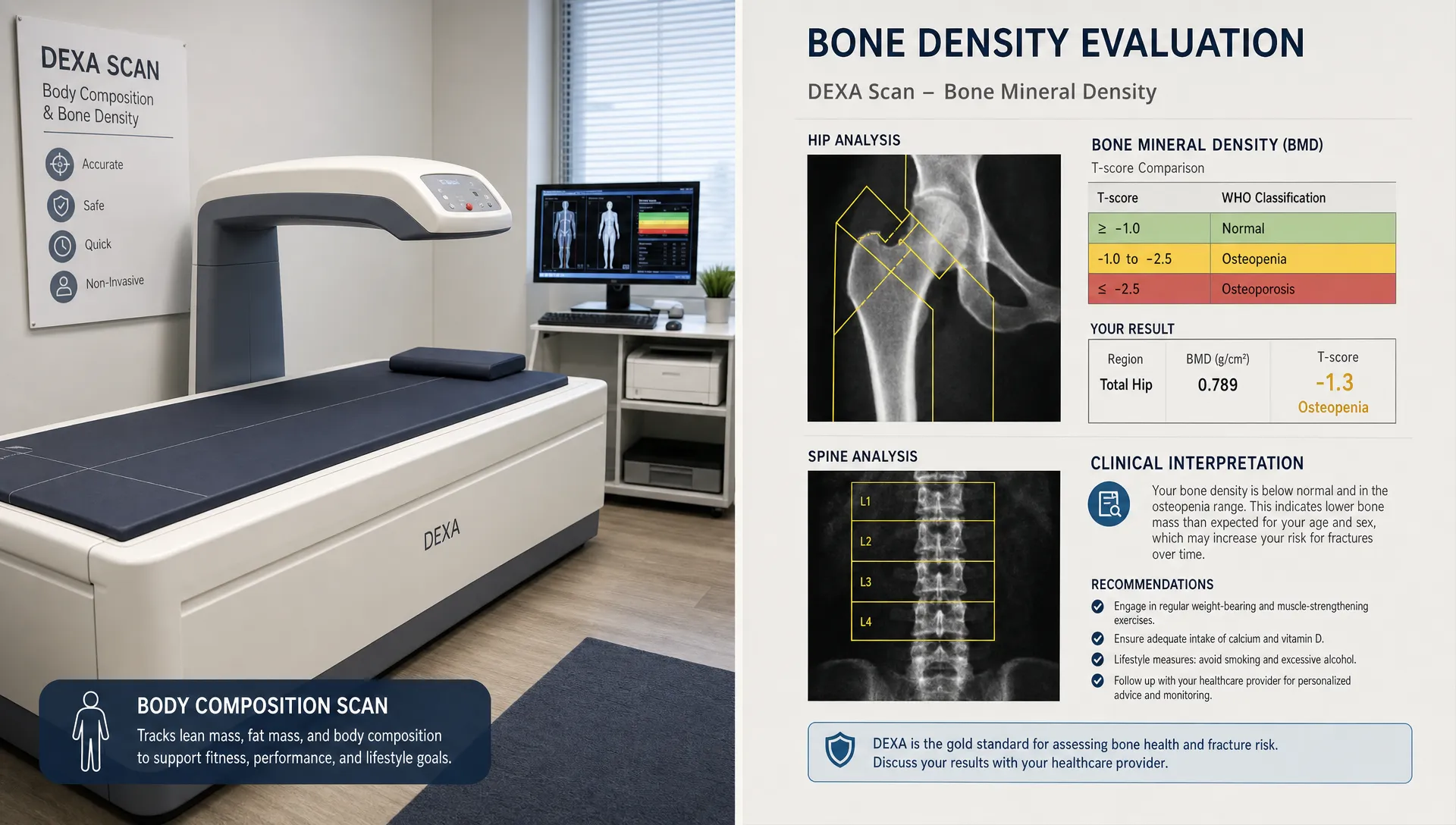
If you are comparing “DEXA Fit” with “medical DEXA,” you are really comparing two different reasons to use the same powerful imaging technology. One is typically used for fitness, nutrition, and body composition tracking. The other is used in a clinical setting to evaluate bone health, often when osteoporosis or fracture risk is the concern.
Both can be valuable. The scan you need depends on the question you are trying to answer.
If your main question is, “Am I losing fat, gaining muscle, reducing visceral fat, or improving body composition?” a fitness-focused DEXA scan is usually the right fit. If your main question is, “Do I have low bone density, osteopenia, osteoporosis, or elevated fracture risk?” you should talk with a clinician about a medical DEXA scan.
The quick answer: DEXA Fit vs. medical DEXA
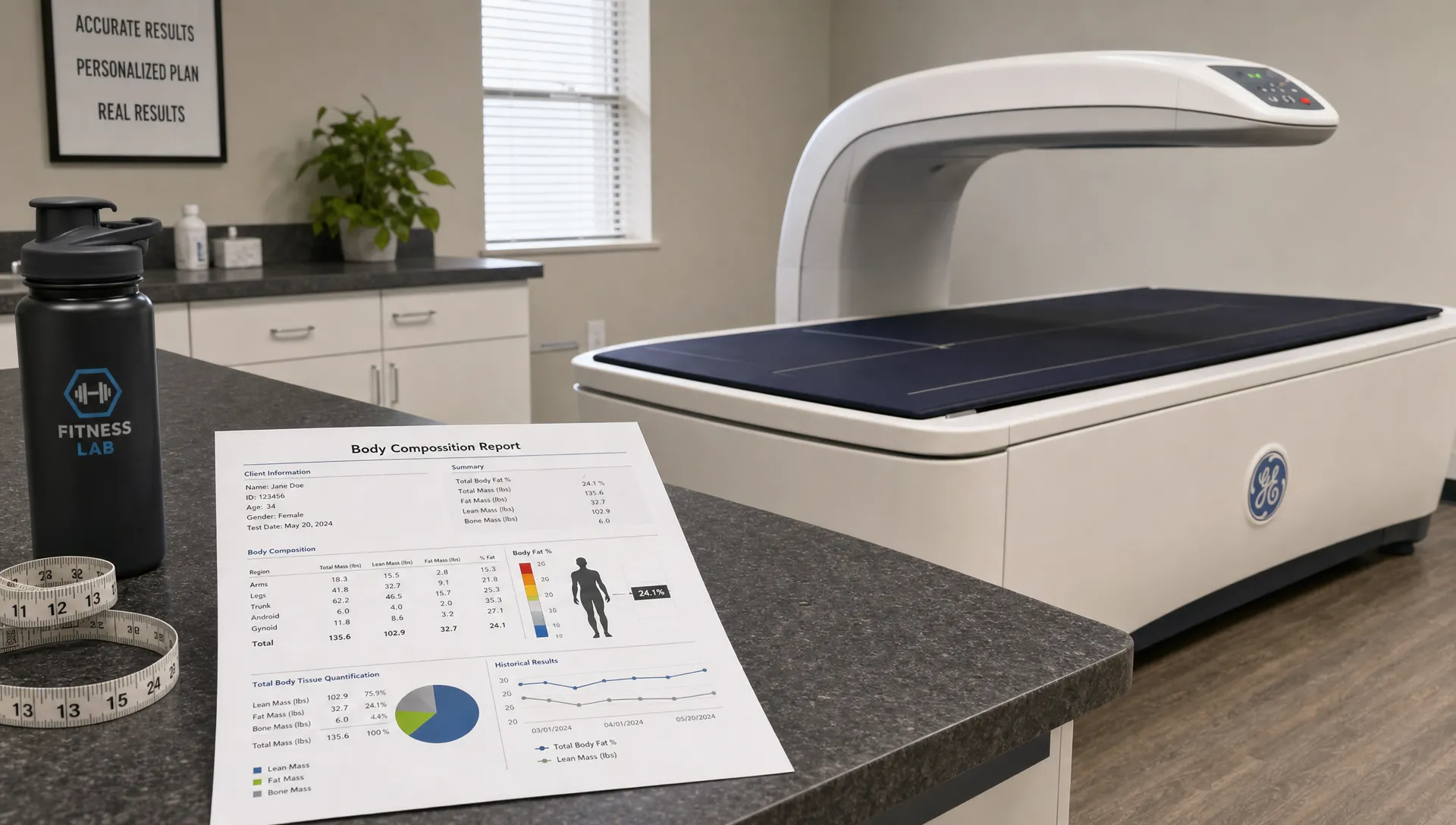
A DEXA Fit scan, also called a fitness DEXA or body composition DEXA, is designed for people who want objective data about fat mass, lean mass, bone density indicators, visceral fat, and left-to-right muscle balance. It is especially useful for athletes, people pursuing fat loss, strength training clients, and anyone who wants a more accurate view than a scale or smart watch can provide.
A medical DEXA scan, also called a bone density test or DXA scan, is typically ordered by a healthcare provider to assess bone mineral density and support clinical decisions around osteoporosis, fracture risk, and treatment monitoring. According to RadiologyInfo, DEXA is most often used to diagnose osteoporosis, assess fracture risk, and monitor response to treatment.
Here is the practical difference:
| Question | DEXA Fit / body composition DEXA | Medical DEXA / bone density DEXA |
|---|---|---|
| Primary purpose | Track fat, muscle, visceral fat, asymmetry, and body composition changes | Evaluate bone mineral density and fracture risk |
| Common users | Athletes, fitness clients, people pursuing fat loss or muscle gain | Patients referred by a clinician for bone health evaluation |
| Typical report focus | Body fat percentage, lean mass, fat distribution, visceral fat, muscle balance, bone data | Bone mineral density, T-scores, Z-scores, osteoporosis or osteopenia evaluation |
| Follow-up | Fitness, nutrition, and lifestyle planning | Medical diagnosis, prevention, or treatment decisions |
| Who interprets it | Fitness or body composition specialist, depending on the provider | Physician, radiologist, endocrinologist, or other qualified clinician |
| Best for | Measuring progress beyond body weight | Clinical bone health decisions |
What people mean by “DEXA Fit”
“DEXA Fit” is commonly used to describe a DEXA scan for fitness and body composition. It is not just a weight-loss tool. It is a way to see what your weight is actually made of.
For example, two people can both weigh 180 pounds and have completely different bodies. One may have more lean mass and less visceral fat. The other may have less muscle, higher body fat, and more fat stored around the abdomen. A regular scale cannot show that distinction. A DEXA body composition scan can.
A fitness-focused DEXA scan is useful when you want to track changes such as:
- Whether weight loss is coming from fat, muscle, or both
- Whether a strength program is increasing lean mass
- How body fat is distributed across the trunk, arms, and legs
- Whether visceral fat is decreasing over time
- Whether one side of the body has noticeably more lean mass than the other
- Whether your nutrition plan is supporting your training goals
This is why many people use DEXA Fit data during body recomposition, athletic training, longevity planning, or major lifestyle changes. If you want a deeper explanation of the specific metrics that can appear in a DEXA report, DEXA SF’s guide to which DEXA results you should track breaks down the most useful numbers.
At DEXA SF, the focus is professional DEXA body composition testing in San Francisco, including body fat assessment, muscle mass evaluation, visceral fat measurement, asymmetry detection, bone density analysis, metabolic data insights, and expert interpretation. That makes it most relevant for people who want precise measurements and practical guidance for fitness and nutrition decisions.
What a medical DEXA scan is used for
A medical DEXA scan is usually focused on bone mineral density. It is commonly performed at the hip and spine, although the exact protocol depends on the clinical question and the ordering provider.
The results may include T-scores and Z-scores. In general, T-scores compare your bone density with that of a healthy young adult reference population, while Z-scores compare your bone density with what is expected for someone of your age, sex, and body size. These scores can help clinicians evaluate whether bone density is normal, low, or in a range associated with osteoporosis.
Medical DEXA is often considered when someone has risk factors such as older age, prior fragility fracture, long-term glucocorticoid use, certain endocrine conditions, low body weight, early menopause, or other medical history that may affect bone health. The U.S. Preventive Services Task Force recommends osteoporosis screening for women 65 and older, and for postmenopausal women younger than 65 who are at increased risk based on clinical risk assessment.
That does not mean only those groups can need a medical DEXA. Men and younger adults may also be referred when there are specific risk factors or medical concerns. The key point is that a medical DEXA belongs inside a clinical decision-making process.
The technology is similar, but the intent is different
DEXA stands for dual-energy X-ray absorptiometry. It uses two low-dose X-ray energy levels to estimate the composition of tissue. The same broad technology can be used to assess bone density and body composition, but scan protocols, reporting, interpretation, and next steps vary based on why the scan is being done.
That intent matters.
A DEXA Fit scan is usually asking, “How is my body composition changing, and what should I adjust?” A medical DEXA is asking, “What is my bone health status, and does it require medical action?”
For a fitness client, the most actionable finding might be that they lost 7 pounds of scale weight but also lost 3 pounds of lean mass, suggesting their training or protein intake may need attention. For a medical patient, the most actionable finding might be a T-score that leads their clinician to discuss calcium intake, vitamin D status, resistance training, fall prevention, medication, or further evaluation.
Neither scan is “better.” They are built for different decisions.
Which scan do you need?
The easiest way to choose is to start with your main goal.
Choose DEXA Fit if your goal is body composition clarity
A fitness-focused DEXA scan is likely the better choice if you want to understand your body beyond weight. This is especially true if you are actively changing your training, nutrition, or lifestyle.
DEXA Fit can be useful if you are:
- Starting a fat-loss program and want a reliable baseline
- Strength training and want to know whether you are gaining lean mass
- Preparing for an athletic season or event
- Trying to reduce visceral fat for long-term health
- Comparing left and right muscle development after injury or sport-specific training
- Frustrated because the scale is not matching how your body looks or performs
This type of scan can also help prevent a common mistake: assuming all weight loss is good. If your weight drops but a meaningful portion comes from lean mass, your plan may not be preserving muscle well. Conversely, if your weight stays the same while body fat decreases and lean mass increases, you may be making excellent progress that the scale hides.
Choose medical DEXA if your goal is bone health diagnosis or treatment
A medical DEXA is the better route if you have a clinical concern about bone density, osteoporosis, osteopenia, or fracture risk. This is especially important if your doctor has recommended testing or if you have risk factors that should be evaluated medically.
You should speak with a healthcare provider about medical DEXA if you have had a low-trauma fracture, have been told you may have osteoporosis, take medications that affect bone health, have a condition associated with bone loss, or are in an age or risk group where screening is recommended.
Medical DEXA is also the right choice when the result may influence diagnosis, prescriptions, specialist referrals, insurance documentation, or ongoing clinical monitoring.
You may need both in some situations
Some people benefit from both types of information. For example, an endurance athlete may want DEXA Fit data to monitor lean mass, body fat, and fueling, while also needing medical evaluation if they have stress fractures or signs of low bone density. A postmenopausal woman may want body composition data for strength and longevity goals, while also following her clinician’s recommendations for osteoporosis screening.
In these cases, the scans are not competing. They answer different questions.
Can DEXA Fit replace a medical DEXA scan?
Usually, no. A fitness-focused DEXA scan should not be treated as a substitute for a medically ordered bone density exam when diagnosis or treatment decisions are involved.
A body composition scan may include bone-related data, but medical DEXA reporting is designed for clinical interpretation and may follow specific standards for positioning, anatomical sites, reference databases, and diagnostic categories. The International Society for Clinical Densitometry publishes official positions on bone densitometry that clinicians and imaging facilities use to guide appropriate acquisition, interpretation, and reporting.
If your concern is osteoporosis or fracture risk, work with a medical provider. If your concern is fat loss, muscle gain, visceral fat, or performance-related body composition, a DEXA Fit scan is often the more relevant and practical tool.
How often should you get each scan?
Frequency depends on the purpose.
For DEXA Fit, many people scan at the start of a program and then repeat after enough time has passed for meaningful change. For body composition goals, that often means waiting several weeks to a few months, depending on the intensity of the program and the type of changes expected. Scanning too frequently can create noise rather than insight, especially if short-term hydration, glycogen, and food intake vary.
For medical DEXA, timing should come from your clinician. Some people are monitored every one to two years, while others may need a different interval based on baseline results, risk factors, medication use, or treatment plan. Do not self-schedule medical bone density follow-up without asking the provider managing your care.
If you are in San Francisco and deciding when a body composition scan fits into your goals, DEXA SF’s local guide to DEXA scan cost, timing, and use cases can help you plan more realistically.
How to prepare for the right type of scan
Preparation differs slightly depending on whether the scan is fitness-focused or medical.
For a DEXA Fit body composition scan, consistency is the priority. Try to scan under similar conditions each time. That may mean similar time of day, similar hydration status, and similar pre-scan routine. Avoiding major deviations makes your trend data more useful.
For a medical DEXA scan, follow the instructions from the imaging center or ordering clinician. You may be asked about pregnancy status, recent contrast imaging, calcium supplements, surgical hardware, or other factors that can affect the scan or interpretation.
For either type of scan, wear comfortable clothing without metal when possible, and be prepared to remove items such as belts, jewelry, or anything that may interfere with imaging.
The bottom line
Choose DEXA Fit if you want precise body composition data to guide fitness, nutrition, fat loss, muscle gain, visceral fat reduction, or performance goals. Choose medical DEXA if you need a clinical evaluation of bone mineral density, osteoporosis risk, or treatment response.
The best scan is the one that matches the decision you need to make next.
If you are still learning the basics, this primer on what a DEXA scan is and why people get one is a helpful starting point. If you already know you want body composition data, DEXA Fit can give you a clearer baseline than weight alone and a more objective way to track progress over time.
Frequently Asked Questions
Is DEXA Fit the same as a medical DEXA scan? Not exactly. Both use DEXA technology, but DEXA Fit is typically focused on body composition, including fat mass, lean mass, visceral fat, and asymmetry. Medical DEXA is focused on clinical bone density evaluation and is usually ordered or interpreted within a healthcare setting.
Can a DEXA Fit scan diagnose osteoporosis? A fitness DEXA scan should not be used as a substitute for medical diagnosis. If you are concerned about osteoporosis, osteopenia, or fracture risk, speak with a healthcare provider about a medical DEXA scan and clinical interpretation.
Is DEXA Fit useful if I only want to lose weight? Yes, because it shows whether your weight loss is coming from fat, lean mass, or both. That matters because preserving muscle is important for strength, metabolism, and long-term weight management.
Who should consider a medical DEXA scan? People with osteoporosis risk factors, prior low-trauma fractures, relevant medical conditions, certain medication use, or age-related screening indications should discuss medical DEXA with their clinician.
How long does a DEXA body composition scan take? DEXA scans are generally quick and noninvasive. The full appointment length can vary by provider, especially if interpretation or guidance is included.
Ready to get precise body composition data?
If your goal is to understand your body fat, lean mass, visceral fat, muscle balance, bone density data, and metabolic insights, DEXA SF offers professional DEXA body composition scans in San Francisco with expert interpretation and practical fitness and nutrition guidance.
You can schedule your scan directly with DEXA SF and use your results to make smarter decisions about your training, nutrition, and long-term health goals.