
Bone Mineral Density: Why It Matters at Every Age
Bone mineral density is easy to overlook because you cannot feel it changing day to day. You can run hills, lift weights, commute around San Francisco, and feel perfectly healthy while your skeleton is quietly adapting to your hormones, nutrition, training, medications, and age.
That is exactly why bone mineral density matters at every age. It is not only a concern after a fracture or after retirement. Strong bones are built early, maintained through adulthood, and protected later in life. The earlier you understand your baseline, the better you can make choices that support mobility, independence, athletic performance, and long-term health.
What bone mineral density actually means
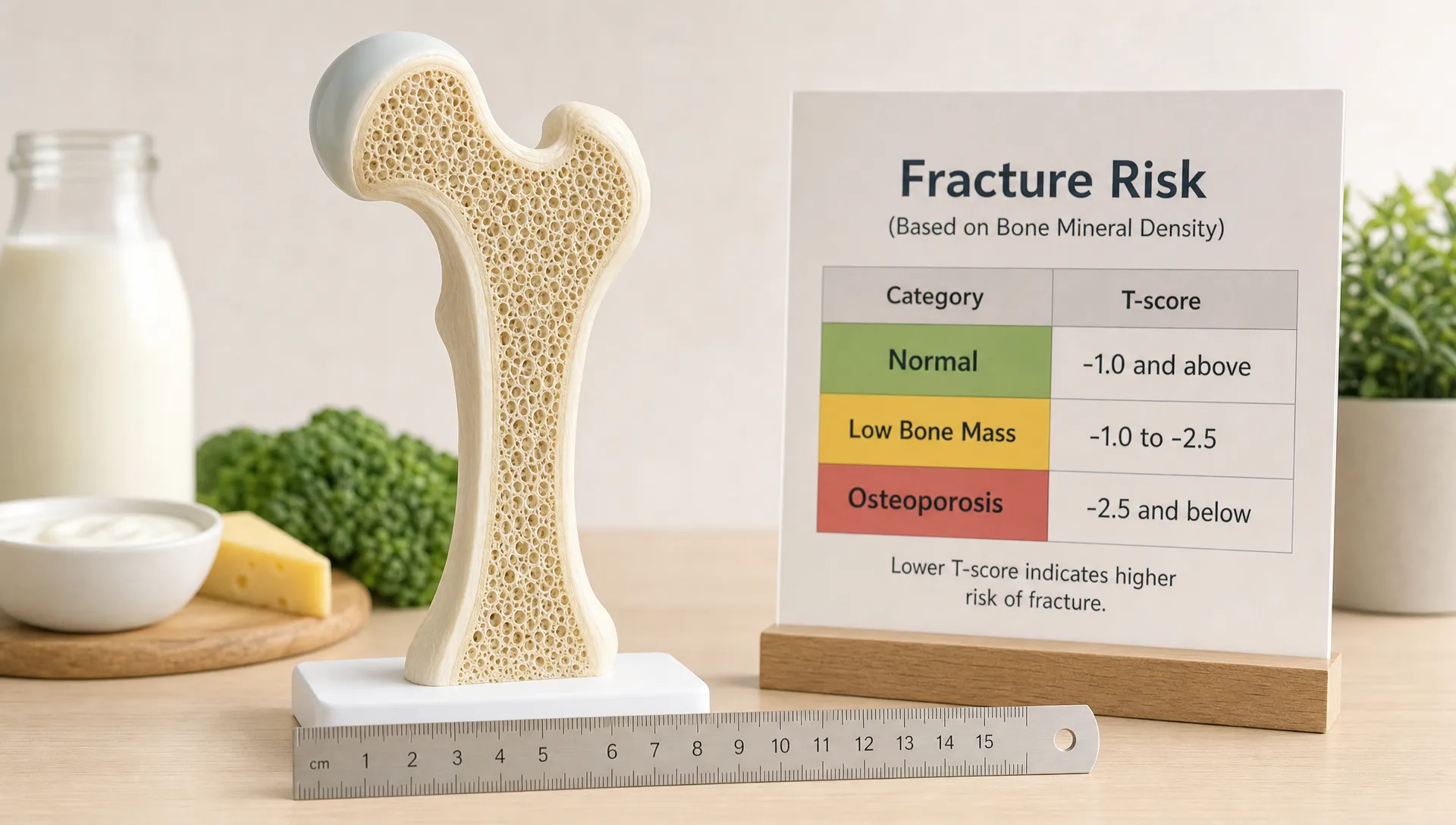
Bone mineral density, often shortened to BMD, is a measurement of how much mineral content is packed into a specific area of bone. In practical terms, it helps estimate bone strength and fracture risk. Higher bone mineral density generally means stronger bones, while lower BMD may indicate low bone mass or osteoporosis, depending on the result and clinical context.
Bone is living tissue. It is constantly being broken down and rebuilt through a process called remodeling. During childhood and adolescence, the body is usually building more bone than it loses. Later, the balance shifts. Lifestyle, hormones, medical conditions, and medications can either support that remodeling process or accelerate bone loss.
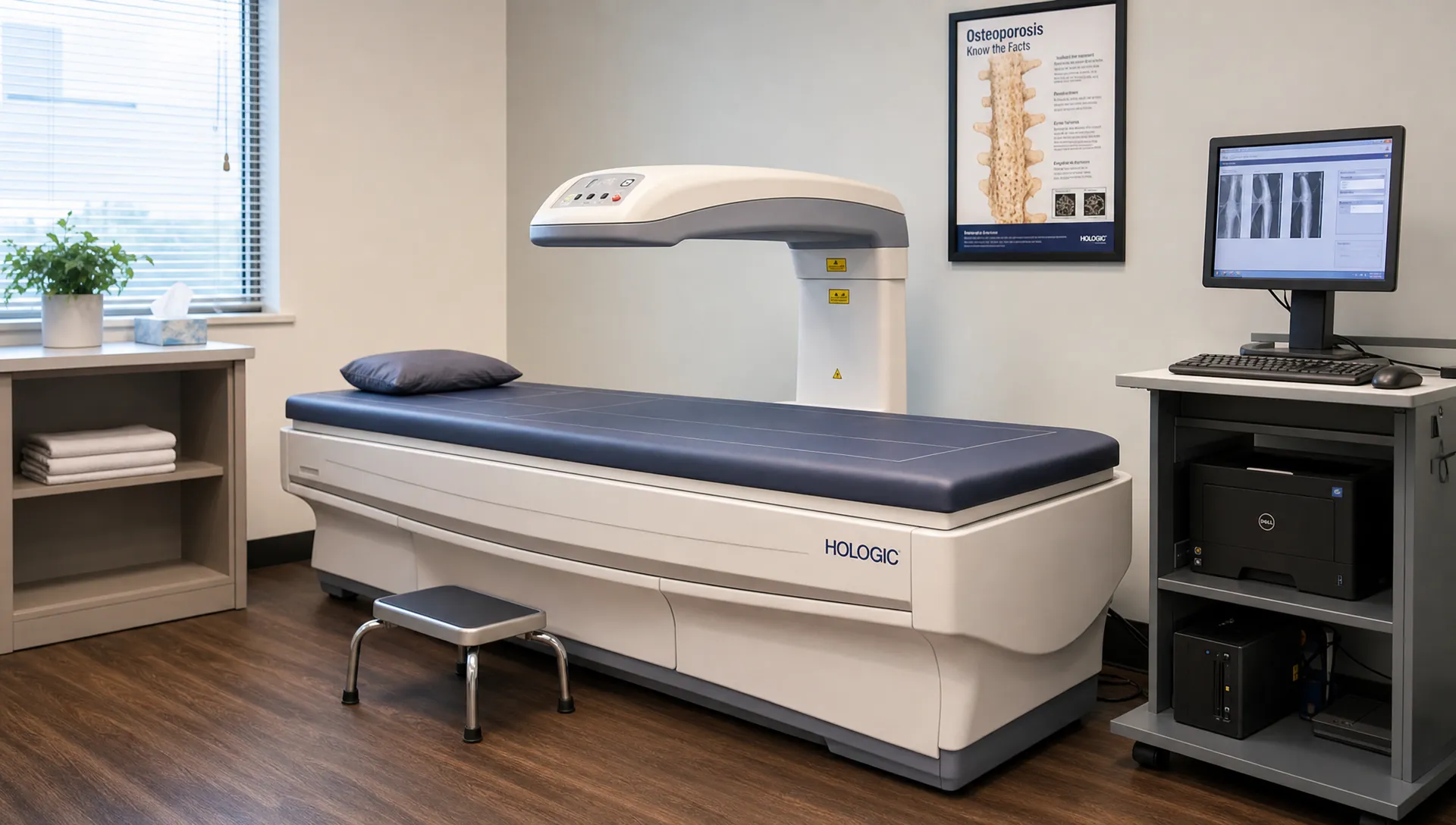
A DEXA scan, also called DXA, is widely used to measure bone density because it is fast, noninvasive, and precise. DEXA technology can also measure body composition, including lean mass and fat mass, which is helpful because muscle and bone health are closely connected.
Why bone mineral density is not just an older adult issue
Osteoporosis is often framed as a disease of aging, and fracture risk does rise as people get older. But the foundation for bone health is laid decades earlier. The National Institutes of Health notes that most people reach peak bone mass around age 30, which means your teens, 20s, and early 30s are critical years for building the strongest skeleton possible.
After peak bone mass, the goal changes from building to preserving. Small changes in strength training, calcium and vitamin D intake, protein, sleep, alcohol use, and hormone health can add up over years. For active adults, BMD also matters because bones adapt to mechanical loading. A person may look fit on the outside, yet still have low bone density if they underfuel, overtrain, avoid resistance work, or have hormonal disruption.
Bone mineral density is also relevant for men. While postmenopausal women face a well-known increase in bone loss due to declining estrogen, men can experience bone loss with aging, low testosterone, certain medications, alcohol use, smoking, and chronic disease. Low BMD is not limited to one gender, body type, or activity level.
Bone mineral density by life stage
Bone health priorities change with age. The right question is not whether BMD matters yet, but what your current life stage requires from your bones.
| Life stage | Why BMD matters | Key priorities |
|---|---|---|
| Childhood and teens | This is a major bone-building window | Adequate nutrition, sports, vitamin D, healthy puberty, avoiding underfueling |
| 20s and early 30s | Peak bone mass is typically reached around this period | Strength training, impact activity when appropriate, protein, calcium, sustainable habits |
| 30s and 40s | Bone preservation becomes more important | Consistent resistance training, monitoring risk factors, recovery, hormone and metabolic health |
| 50s and 60s | Hormonal changes can accelerate bone loss | Screening when appropriate, fall prevention, maintaining muscle, medical guidance if BMD is low |
| 70s and beyond | Fracture prevention becomes a major health priority | Balance, strength, home safety, nutrition, medication review, ongoing monitoring |
Children, teens, and young adults: building the bank
The earlier decades are often described as a chance to build a bone bank. The more bone mass you build before peak bone mass, the more reserve you may have later. Weight-bearing activities like running, jumping, field sports, court sports, and resistance training can stimulate bone adaptation, assuming nutrition and recovery are sufficient.
This is also the stage where underfueling can be especially harmful. In athletes, low energy availability can disrupt hormones and impair bone development. Missing periods, chronic fatigue, stress fractures, or repeated injuries should not be brushed off as normal training costs.
30s and 40s: protecting your baseline
By your 30s and 40s, you may still feel young and strong, but bone maintenance becomes more important. This is an ideal time to understand your baseline, especially if you have risk factors such as a family history of osteoporosis, previous stress fractures, long-term corticosteroid use, digestive conditions that affect nutrient absorption, or a history of restrictive dieting.
This is also the period when many people shift from organized sports to busy work and family routines. Less jumping, less lifting, more sitting, and inconsistent nutrition can gradually reduce the mechanical signals bones need to stay strong.
Midlife: hormones change the equation
For many women, the years around menopause are a turning point. Estrogen helps protect bone, and bone loss can accelerate when estrogen declines. This does not mean bone loss is inevitable or untreatable, but it does mean midlife is a smart time to pay attention.
Men also experience hormonal and metabolic changes with age, although usually more gradually. Low testosterone, reduced muscle mass, lower activity, and certain medications can all affect bone health. For everyone, maintaining muscle becomes increasingly important because stronger muscles help load bones and reduce fall risk.
Later adulthood: protecting independence
In later life, bone mineral density becomes closely tied to independence. Low BMD increases the chance that a fall leads to a fracture. Hip and spine fractures can have major consequences for mobility, confidence, and quality of life.
The goal is not only to improve a scan number. It is to stay capable. Strength training, balance work, adequate protein, vision care, safe footwear, and home fall-prevention strategies all matter. If a DEXA result shows osteoporosis or significant bone loss, a healthcare provider can help determine whether medication or further testing is appropriate.
What affects bone mineral density?
Bone density is influenced by a combination of genetics, hormones, nutrition, loading, and medical history. You cannot control every factor, but you can control more than many people realize.
Common factors that can contribute to lower BMD include:
- Family history of osteoporosis or hip fracture
- Previous low-trauma fracture or recurring stress fractures
- Long-term corticosteroid use
- Smoking or heavy alcohol intake
- Low body weight or significant weight loss
- Low calcium, vitamin D, or protein intake
- Eating disorders or chronic underfueling
- Early menopause or missed menstrual cycles
- Low testosterone in men
- Conditions such as celiac disease, inflammatory bowel disease, rheumatoid arthritis, hyperthyroidism, or chronic kidney disease
This is why a single piece of advice rarely fits everyone. A 25-year-old endurance athlete with stress fractures, a 48-year-old entering menopause, and a 72-year-old working on fall prevention may all need to care about BMD, but for different reasons.
How DEXA helps measure bone mineral density
A DEXA scan uses low-dose X-rays to estimate bone density. In clinical settings, hip and spine measurements are commonly used to diagnose osteoporosis and assess fracture risk. Whole-body DEXA can also provide valuable information about bone, lean mass, fat mass, and regional body composition.
If you are new to the process, DEXA is typically quick and does not require strenuous preparation. For a practical walkthrough, this bone density scan guide explains what to expect and why the test matters.
DEXA results often include T-scores and Z-scores. These numbers are useful, but they should be interpreted in context.
| Result type | What it compares | How it is commonly used |
|---|---|---|
| T-score | Your BMD compared with a healthy young adult reference population | Often used in postmenopausal women and men over 50 to classify normal bone density, low bone mass, or osteoporosis |
| Z-score | Your BMD compared with what is expected for someone your age and sex | Often used in younger adults, premenopausal women, and children to identify whether results are lower than expected |
The World Health Organization classification commonly defines a T-score of -1.0 or above as normal, between -1.0 and -2.5 as low bone mass, and -2.5 or below as osteoporosis. However, the scan result is only one part of the picture. Age, fracture history, medications, family history, and overall health all influence what the result means for you.
Bone mineral density and muscle: why they belong in the same conversation
Bone and muscle are linked. Muscle contractions create force on bone, and that force helps signal bones to maintain or build strength. This is one reason resistance training is so important across the lifespan.
Low muscle mass can also raise fall risk, which matters because fractures usually involve both bone strength and the event that causes impact. A person with low BMD but excellent balance and strength may have a different risk profile than someone with the same BMD who is frail, sedentary, and unsteady.
This is where DEXA body composition data can be especially useful. Seeing lean mass, fat mass, asymmetries, and bone-related metrics together gives a more complete view of physical health than body weight alone. If you want a deeper explanation of how bone-related numbers fit into a scan, DEXA SF's guide to what bone mass numbers really mean is a helpful next step.
How to support healthy bone mineral density
You cannot change your past peak bone mass, but you can take meaningful steps to support your bones now. The best approach combines training, nutrition, recovery, and appropriate screening.
Load your skeleton safely
Bones respond to load. Weight-bearing exercise and resistance training are among the most important habits for maintaining bone strength. Walking is beneficial for general health, but bones often need higher or more varied loading to adapt. Depending on your age, fitness level, and medical history, that might include strength training, stair climbing, hiking, jogging, jumping, or sport-specific drills.
If you already have osteoporosis, a history of fractures, balance concerns, or spine issues, get professional guidance before adding high-impact exercise. The right loading strategy should challenge your body without creating unnecessary risk.
Eat enough of the right nutrients
Calcium and vitamin D get most of the attention, and for good reason. Calcium is a major building block of bone, while vitamin D helps the body absorb calcium. The Bone Health and Osteoporosis Foundation provides general calcium and vitamin D guidance that can help you discuss intake with your healthcare provider.
Protein also matters. Bone is not just mineral. It has a collagen-rich structure that depends on adequate overall nutrition. People trying to lose weight should be especially careful not to cut calories or protein so aggressively that they compromise muscle and bone health.
Avoid the habits that weaken bone over time
Smoking is harmful to bone health, and heavy alcohol use is associated with higher fracture risk. Chronic underfueling, crash dieting, and long periods of inactivity can also work against BMD.
Sleep and recovery deserve attention too. Bone remodeling is part of whole-body physiology. If your training, nutrition, hormones, and recovery are out of balance, your bones may eventually reflect that stress.
Screen when your risk profile says it is time
The U.S. Preventive Services Task Force recommends osteoporosis screening for women 65 and older, and for postmenopausal women younger than 65 who are at increased risk. Other people may also need testing based on fracture history, medications, medical conditions, or clinician judgment.
If you are unsure whether testing makes sense for you, this article on who should consider DEXA bone density testing outlines common reasons someone may benefit from a scan.
When a baseline scan can be useful
A baseline DEXA scan gives you a reference point. That can be helpful if you are making a major training change, starting a weight-loss phase, entering perimenopause, recovering from injury, managing a medical condition, or simply trying to understand your body beyond the scale.
For body composition, a DEXA scan can show whether weight change is coming from fat, lean mass, or both. For bone health, it can help identify whether your bone mineral density is where expected, whether you may need medical follow-up, and whether your habits are supporting long-term resilience.
The key is to avoid treating the number as a grade. BMD is information. It becomes powerful when it leads to better decisions, such as adjusting training, improving nutrition, discussing risk factors with a clinician, or tracking change over time.
Frequently Asked Questions
What is bone mineral density? Bone mineral density is a measurement of mineral content in bone. It helps estimate bone strength and can help identify low bone mass or osteoporosis risk when interpreted with age, health history, and fracture risk.
At what age should I start caring about bone mineral density? Bone mineral density matters in every decade. Younger people are building or preserving peak bone mass, midlife adults may face hormonal and lifestyle-related bone loss, and older adults benefit from monitoring BMD to reduce fracture risk.
Can you improve bone mineral density? In some cases, yes. Resistance training, weight-bearing activity, adequate calcium, vitamin D, protein, and treatment of underlying medical issues can support bone health. People with osteoporosis or fractures should work with a healthcare provider on a safe plan.
Is a DEXA scan only for older women? No. Older women are an important screening group, but men, athletes, people with stress fractures, adults on certain medications, and those with risk factors for low bone density may also benefit from DEXA testing.
How often should bone mineral density be checked? The right interval depends on your age, baseline results, risk factors, and medical guidance. Some people may only need occasional monitoring, while others with low BMD or major risk factors may need more regular follow-up.
Measure what you cannot feel
Bone loss is often silent until a fracture happens. A DEXA scan gives you objective information about bone density and body composition so you can make smarter decisions about training, nutrition, and long-term health.
At DEXA SF, clients receive professional DEXA body composition scans in San Francisco, including precise measurements of body fat, lean mass, bone density, visceral fat, asymmetries, and metabolic insights, along with expert interpretation and personalized fitness and nutrition guidance. If you want a clearer picture of your body today and a better plan for protecting it over time, scheduling a scan is a practical place to start.