
Is a Full-Body DEXA Scan Worth It for Your Goals?
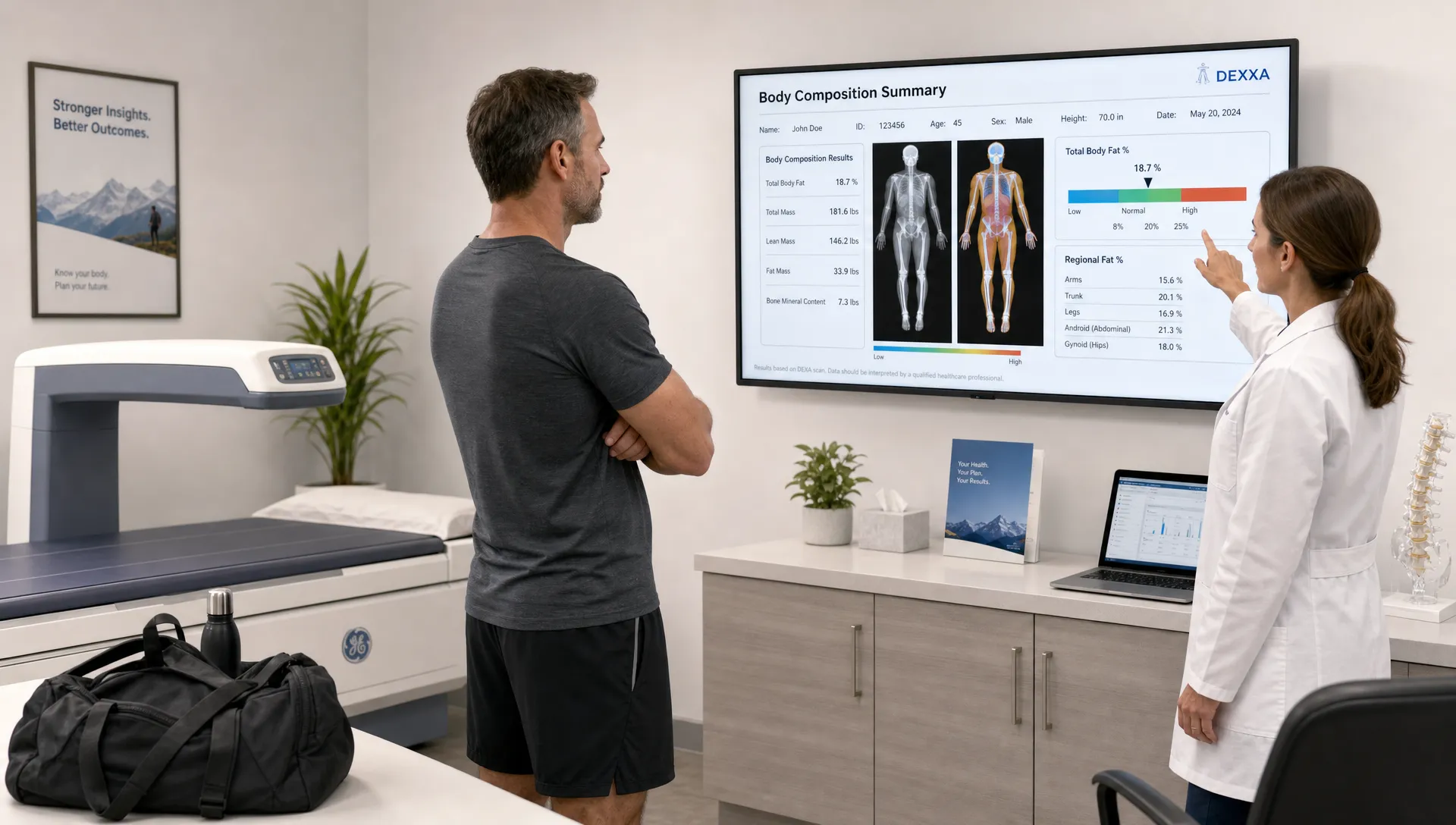
A full-body DEXA scan is worth it when the information will change what you do next. If you are adjusting calories, training for performance, trying to preserve muscle during fat loss, monitoring visceral fat or paying closer attention to bone health, DEXA can give you a clearer baseline than a scale, mirror or wearable.
It may not be worth it if you only want a one-time curiosity number, or if you are not planning to use the results to guide your nutrition, training or health decisions.
The value is not just accuracy. The value is knowing whether your current plan is working for the goal you actually care about.
What a full-body DEXA scan measures
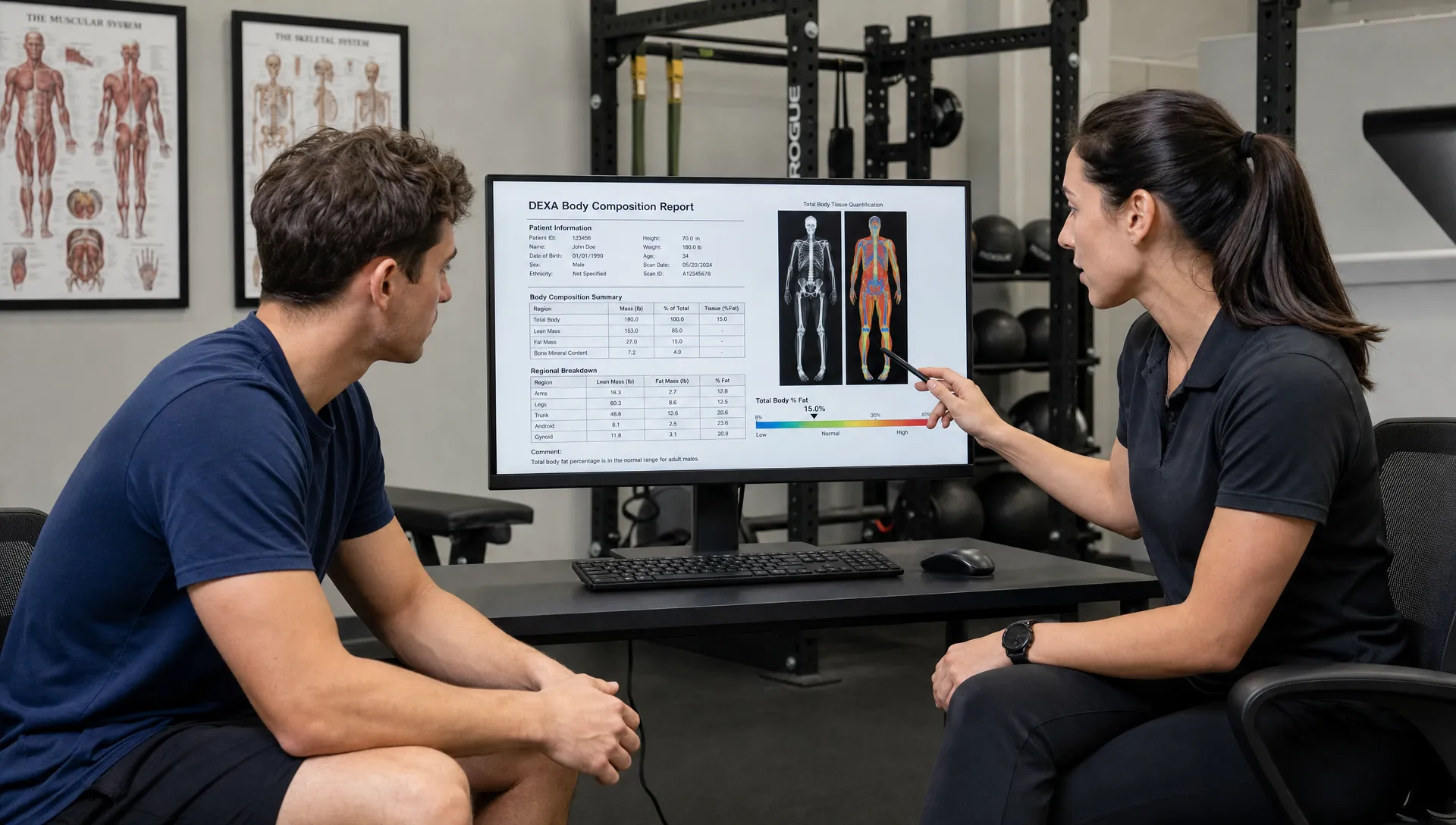
DEXA stands for dual-energy X-ray absorptiometry. A full-body DEXA scan uses low-dose X-ray technology to estimate different tissues in the body. In a body composition setting, it can report measurements such as total body fat, lean mass, bone mineral content, regional composition, visceral fat and side-to-side differences.
That makes it different from most bathroom scales and handheld body fat devices, which use bioelectrical impedance and can swing with hydration, recent meals, alcohol intake, menstrual cycle timing and exercise. DEXA is not magic, and no body composition method is perfect, but it gives a more detailed and repeatable picture when performed consistently.
For many people, the biggest benefit is seeing what the scale hides. Two people can weigh the same and have very different fat mass, muscle mass, visceral fat and bone density. One person can lose 10 pounds and lose too much lean mass. Another can stay the same weight but improve body composition by gaining muscle and losing fat.
If you want a broader primer on the technology itself, this DEXA scan guide for 2026 explains the main benefits, cost considerations and timing in more detail.
When a full-body DEXA scan is worth it
A DEXA scan becomes more valuable when your goal depends on body composition, not just body weight. If your next decision is based only on the scale, you may miss what is happening under the surface.
| Goal | Why DEXA can help | What to watch over time |
|---|---|---|
| Fat loss | Separates fat loss from total weight loss | Fat mass, body fat percentage, lean mass retention |
| Muscle gain | Shows whether weight gain includes lean mass | Regional lean mass, total lean mass, asymmetry |
| Athletic performance | Identifies composition and side-to-side differences | Lean mass distribution, fat mass, bone density |
| Bone health awareness | Provides bone density related data | Bone mineral density and changes over time |
| Metabolic health improvement | Measures visceral fat, not just waist size | Visceral fat trend and body fat distribution |
| Recomposition | Tracks fat loss and muscle gain at the same time | Fat mass down, lean mass stable or up |
The scan is most useful when you connect the report to an action plan. That could mean changing your calorie target, adjusting protein intake, modifying your strength program or retesting after a training block.
If your goal is fat loss
For fat loss, a full-body DEXA scan helps answer a question the scale cannot: are you losing fat or simply losing weight?
That distinction matters. Aggressive dieting can reduce scale weight quickly, but some of that loss may come from lean tissue, glycogen and water. If your goal is a leaner, healthier body composition, preserving muscle is part of the outcome. Muscle supports strength, function and resting energy needs, and losing too much of it can make long-term maintenance harder.
A baseline DEXA scan can show your starting fat mass, lean mass and visceral fat. A follow-up scan can then show whether your plan is producing the right kind of weight loss. If total weight is down but lean mass has dropped more than expected, you might need more resistance training, more protein, slower weight loss or better recovery.
For someone who has been dieting for months without clarity, DEXA can also reduce guesswork. You may discover that the scale has been slow because you are gaining lean mass while losing fat. Or you may find that your approach is shrinking total weight but not improving the numbers you care about most.
If your goal is muscle gain or body recomposition
Muscle gain is one of the best reasons to use DEXA, especially if you lift weights and do not want to rely on body weight alone.
During a muscle-building phase, the scale can go up for several reasons: muscle, fat, water, food volume or normal day-to-day fluctuation. DEXA helps separate those signals. If you gain eight pounds over a few months, a scan can help show whether the gain was mostly lean mass, mostly fat mass or a combination.
For body recomposition, the scan is even more useful because your weight may barely change. You can lose fat and gain muscle at the same time, especially if you are newer to strength training, returning after a break or improving nutrition quality. A regular scale may make that progress look like nothing happened.
Regional data can also be helpful. If one leg has meaningfully less lean mass than the other after an injury, or one side of your body is developing faster than the other, that side-to-side information can guide training adjustments. This is one reason athletes often find DEXA more useful than a simple body fat estimate.
If your goal is athletic performance
Athletes often care less about a generic body fat percentage and more about whether their composition supports their sport. A distance runner, powerlifter, cyclist, soccer player and CrossFit athlete will not have the same ideal profile.
DEXA can help athletes understand lean mass distribution, body fat, bone density and asymmetries. For example, a field athlete may want to monitor left-right lean mass differences after an injury. A strength athlete may want to confirm that a bulking phase is adding useful mass. An endurance athlete may want to avoid unnecessary lean mass loss while reducing fat mass.
It is also useful because performance can improve even when body composition does not, and body composition can improve even when performance temporarily stalls. Seeing both helps you avoid overreacting to one metric. If you are training in the Bay Area and want a sport-specific angle, DEXA SF has covered why a body fat scan DEXA is worth it for athletes.
If your goal is bone health
DEXA is widely used in clinical settings for bone density assessment. The National Institute of Arthritis and Musculoskeletal and Skin Diseases describes bone mineral density testing as a way to estimate bone strength and help assess osteoporosis risk.
A body composition DEXA scan is not a replacement for medical care when a physician orders a diagnostic bone density test. If you have osteoporosis concerns, a fracture history, long-term steroid use, early menopause or other risk factors, you should follow medical guidance.
Still, bone-related information can be valuable for people who train, age actively or want to understand more than body fat. Strength training, adequate protein, calcium, vitamin D, hormonal health and overall energy availability all play roles in maintaining healthy bones. If your scan raises questions about bone density, that can be a prompt to talk with a healthcare professional.
DEXA is especially useful because it connects bone health with lean mass and body composition. A person can appear healthy by weight alone yet have low muscle mass, low bone density or higher visceral fat than expected.
If your goal is metabolic health
Visceral fat is the fat stored around internal organs in the abdominal cavity. It is different from subcutaneous fat, which sits under the skin. Waist circumference can provide a rough signal, but DEXA gives a more direct estimate of visceral adipose tissue.
This matters because visceral fat is more strongly linked with cardiometabolic risk than fat stored in some other areas. The National Heart, Lung, and Blood Institute notes that waist circumference is one screening tool for weight-related health risk, especially when abdominal fat is elevated. DEXA can add more context by estimating visceral fat specifically.
For someone focused on health rather than appearance, visceral fat may be one of the most useful numbers in the report. You can track whether changes in training, nutrition, sleep and alcohol intake are moving that metric in the right direction.
The key is not to treat a single scan like a diagnosis. It is a baseline. The trend over time, paired with lab work and medical guidance when appropriate, gives a better picture.
When it may not be worth it
A full-body DEXA scan is not necessary for everyone. It may be less useful if you are not ready to act on the data or if your current goal is simple habit building.
For example, if you are just starting to exercise after years away from training, your first priority may be consistency. Walking more, lifting twice a week, improving sleep and eating enough protein can create meaningful progress before advanced testing is needed.
A scan may also be less valuable if you plan to compare results from different machines, different facilities or inconsistent testing conditions. Body composition tracking works best when you use the same method under similar conditions.
It is worth considering your reason before booking. If your question is specific, DEXA is more likely to be worth it. If the question is vague, the data may be interesting but not very useful.
How often should you get scanned?
Most people do not need frequent scans. Body composition changes take time, and scanning too often can make you overinterpret normal variation.
A practical schedule depends on the goal:
- Fat loss phase: every 8 to 12 weeks can be useful if you are making active changes and want to monitor lean mass retention.
- Muscle gain phase: every 3 to 6 months often makes more sense because lean mass changes are slower.
- Performance block: before and after a training cycle can help evaluate whether the program changed body composition in a useful way.
- General health tracking: one to two times per year may be enough for a broad baseline and trend.
If you are in San Francisco and comparing timing, use cases and local expectations, this overview of a DEXA scan in San Francisco can help you decide how often to retest.
How to get the most value from your scan
The scan itself is only part of the process. The interpretation is where the data becomes useful. A report with body fat percentage, lean mass and bone metrics can be overwhelming if you do not know which numbers matter for your goal.
Before your appointment, define your main objective. Do you want to lose fat while keeping muscle? Build muscle without gaining unnecessary fat? Check visceral fat? Understand side-to-side differences? Monitor bone health? A clear question makes the results easier to interpret.
Try to keep your testing conditions consistent. Schedule scans at a similar time of day when possible, avoid unusually hard workouts right before testing and compare follow-up results to your own baseline rather than someone else's numbers.
After the scan, focus on decisions rather than judgment. If lean mass is lower than expected, that is a training and nutrition signal. If visceral fat is higher than expected, that is a health behavior signal. If one side has less lean mass, that is a programming signal. The report should help you adjust, not make you feel stuck.
What makes DEXA SF useful for goal-based scanning
DEXA SF provides professional DEXA body composition scans in San Francisco, including measurements such as body fat, lean mass, bone density, visceral fat, metabolic data and asymmetry detection. The scan process is quick, and clients receive expert interpretation with fitness and nutrition guidance.
That combination matters. Many people do not need more data, they need better data connected to practical next steps. A full-body DEXA scan can show what is happening, and expert guidance can help translate that into a plan.
If your goal is specific enough to measure, it is usually specific enough to improve.
Frequently Asked Questions
Is a full-body DEXA scan worth it for weight loss? Yes, if you want to know whether weight loss is coming from fat or lean mass. It is most useful when paired with a plan to adjust calories, protein, resistance training and recovery based on the results.
Does a DEXA scan show visceral fat? A body composition DEXA scan can estimate visceral fat, which is fat stored around internal organs. This can be helpful for people focused on metabolic health, not just appearance or scale weight.
How is DEXA different from a smart scale? Smart scales usually estimate body composition with bioelectrical impedance, which can be affected by hydration and other daily variables. DEXA provides a more detailed scan-based assessment of fat mass, lean mass, bone metrics and regional differences.
Can DEXA help me gain muscle? Yes. DEXA can show whether changes in weight are coming from lean mass or fat mass, and it can help identify regional or side-to-side differences that may influence training.
Should I get a DEXA scan once or repeat it? A single scan gives you a baseline. Repeat scans are more useful for tracking progress, especially after 8 to 12 weeks of fat loss or several months of muscle-building work.
The bottom line
A full-body DEXA scan is worth it when you want objective body composition data that can guide your next move. It is especially useful for fat loss, muscle gain, athletic performance, visceral fat tracking, bone health awareness and body recomposition.
If you only want a number, it may be optional. If you want a clearer strategy, it can be one of the most useful assessments you can do.
To get precise body composition data and expert guidance in San Francisco, schedule a scan with DEXA SF and use your results to make your training and nutrition decisions more targeted.