
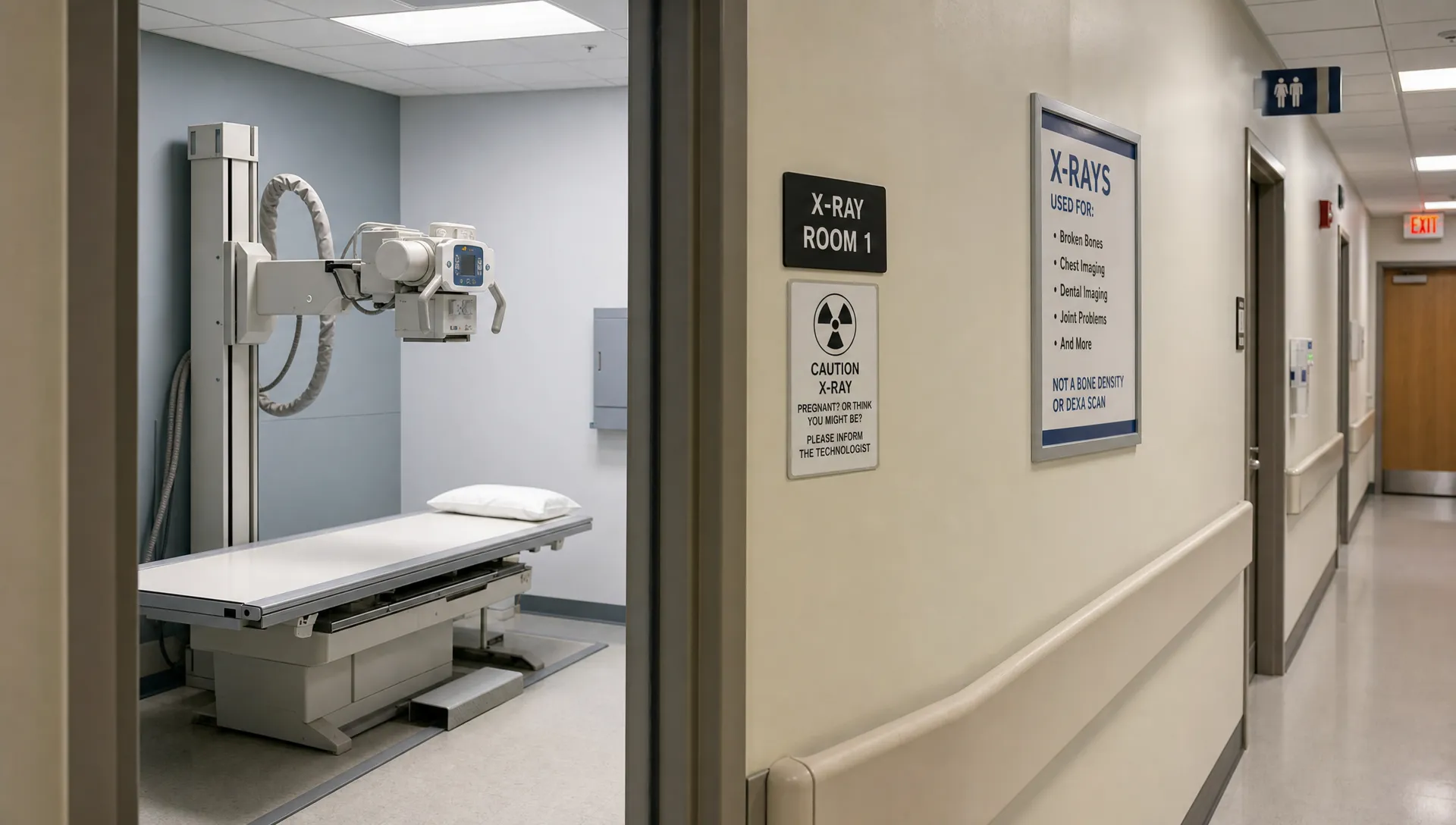
Is a Body Xray Useful for Body Composition Goals?
If you searched for a “body xray” because you want to measure body fat, muscle, or progress in the gym, the short answer is: a regular body X-ray is usually not useful for body composition goals. It can be essential for diagnosing fractures, lung issues, joint problems, and other medical concerns, but it is not designed to quantify fat mass, lean mass, visceral fat, or left-right muscle balance.
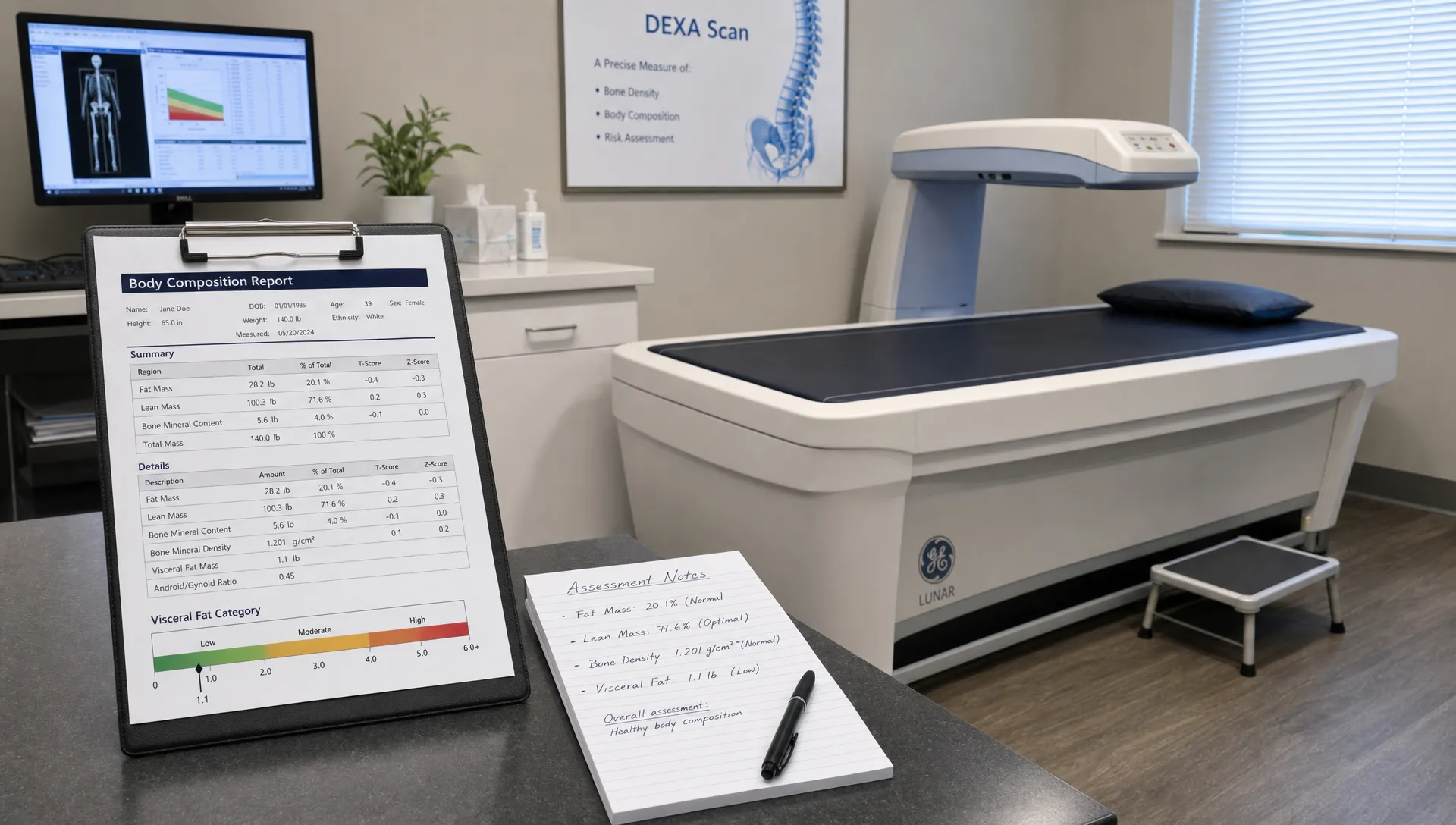
A DEXA scan is different. DEXA stands for dual-energy X-ray absorptiometry, and it uses two low-dose X-ray beams to estimate bone mineral density, fat tissue, and lean tissue. That makes it much more relevant if your goal is to lose fat, gain muscle, improve performance, or understand health markers beyond scale weight.
The key is knowing which type of imaging answers your actual question.
What People Usually Mean by “Body Xray”
The phrase “body X-ray” can mean several different things, which is why it often causes confusion.
A conventional X-ray creates a two-dimensional image of internal structures, especially bones and dense tissues. It is commonly used for medical diagnosis, such as checking for a broken bone, evaluating chest symptoms, or looking at joint alignment. It is fast and widely available, but it is not a body composition test.
A full-body X-ray is not a routine fitness or body composition tool. In medicine, broader X-ray imaging may be used in specific clinical situations, such as trauma evaluation or a skeletal survey, but that is very different from measuring body fat percentage or muscle distribution.
A DEXA scan also uses X-ray technology, but it is built for measurement rather than just imaging. According to RadiologyInfo, DEXA is commonly used to measure bone density and can also be used for body composition analysis. Instead of simply producing a picture, DEXA estimates how much of your body is bone mineral, lean tissue, and fat tissue.
So if your goal is body composition, the more precise question is not “Should I get a body X-ray?” It is “Should I get a DEXA body composition scan?”
Why Regular X-Rays Fall Short for Body Composition
Body composition goals require measurable, repeatable data. You are not just trying to see inside the body. You are trying to answer questions like:
- Am I losing fat or muscle?
- Is my strength training increasing lean mass?
- Do I carry excess visceral fat around my organs?
- Is one side of my body more developed than the other?
- Is my bone density where it should be for my age and risk profile?
A standard X-ray is not designed to answer those questions. While different tissues appear differently on X-ray images, a conventional X-ray is a projection image. Structures overlap, soft-tissue detail is limited, and the scan is not calibrated to produce a reliable breakdown of fat mass, lean mass, and bone mineral content.
That matters because body composition goals are often subtle. A person can lose five pounds on the scale and still lose too much muscle. Another person can gain weight while improving body composition because lean mass increased faster than fat mass. A regular X-ray will not provide the numbers needed to interpret those changes.
Body Xray vs DEXA vs Other Body Composition Methods
Different tools can be useful, but they are not interchangeable. Here is how a conventional body X-ray compares with other common options.
| Method | What it is best for | Limits for body composition goals |
|---|---|---|
| Conventional X-ray | Medical imaging for bones, chest, joints, and certain clinical concerns | Not designed to measure body fat percentage, lean mass, visceral fat, or muscle symmetry |
| DEXA scan | Measuring fat mass, lean mass, bone density, regional composition, and visceral fat estimates | Uses low-dose ionizing radiation, so it should be used appropriately and consistently |
| Smart scale | Convenient at-home trend tracking | Bioelectrical impedance estimates can shift with hydration, meals, and timing |
| Skinfold calipers | Low-cost field estimate when performed well | Technician skill and body fat distribution can affect accuracy |
| CT or MRI | Detailed cross-sectional imaging of tissues and organs | Usually more expensive, medical in purpose, and CT involves higher radiation than DEXA |
For fitness, fat loss, and body recomposition, DEXA is often the most practical high-precision option because it gives a quantitative breakdown without requiring a diagnostic CT or MRI. If you are comparing DEXA with at-home tools, this guide to DEXA body fat measurement versus smart scales explains why the difference can matter.
What DEXA Can Tell You That a Body Xray Cannot
A DEXA scan is useful because it connects measurement to action. Instead of relying on weight alone, you can see what is changing inside your body.
For fat loss, DEXA can estimate total fat mass and body fat percentage. This helps distinguish meaningful fat loss from simple weight loss. If the scale drops but lean mass drops too, your nutrition or training plan may need adjustment.
For muscle gain, DEXA can estimate lean mass by region. That means you can see whether changes are happening in the arms, legs, or trunk. This is especially helpful for strength athletes, endurance athletes, and anyone trying to build muscle without adding unnecessary fat.
For health-focused goals, DEXA can estimate visceral fat, the deeper abdominal fat associated with higher cardiometabolic risk. It can also measure bone density, which is important for long-term health, especially for people with osteoporosis risk factors, a history of low energy availability, menopause-related bone changes, or long periods of inactivity.
DEXA can also identify asymmetries between the left and right sides of the body. Mild asymmetry is normal, but larger imbalances can be useful to discuss with a trainer, physical therapist, or clinician, especially if you are returning from injury or trying to improve performance.
If you want a deeper look at the local testing option, DEXA SF has a guide to getting a DEXA scan in San Francisco for body fat, muscle, and visceral fat.
How DEXA Results Support Specific Body Composition Goals
The value of DEXA is not just the scan itself. It is the ability to make better decisions after the scan.
| Goal | DEXA metric that helps | How it can guide your next step |
|---|---|---|
| Lose fat | Fat mass, body fat percentage, visceral fat estimate | Confirms whether weight loss is coming primarily from fat |
| Build muscle | Total and regional lean mass | Shows whether training is increasing lean tissue in the areas you expect |
| Recompose | Fat mass plus lean mass | Helps track fat loss and muscle gain at the same time |
| Improve performance | Regional lean mass and left-right differences | Highlights possible imbalances to discuss with a coach or specialist |
| Support long-term health | Bone density and visceral fat | Adds context beyond scale weight and BMI |
This is where a DEXA scan can change the conversation. Instead of asking, “Did I lose weight?” you can ask, “Did I lose fat while preserving muscle?” Instead of asking, “Is my workout working?” you can ask, “Did my lean mass change in the regions I trained?”
That level of specificity is especially useful for people who are already doing the basics well. If you train consistently, eat intentionally, and still feel unsure about your progress, body composition data can help separate what is working from what only feels like it should be working.
When a Body Xray Is Useful, and When It Is Not
A conventional X-ray is useful when there is a medical reason to look at internal structures. If a healthcare professional orders an X-ray, it is usually because they are evaluating a specific clinical question. In that context, X-rays can be extremely valuable.
But for body composition goals, a regular body X-ray is not the right tool. It will not give you a reliable body fat percentage. It will not tell you how much lean mass you carry in each region. It will not estimate visceral fat in the way a DEXA body composition report can.
In practical terms:
- Choose a conventional X-ray when a clinician is evaluating an injury, symptom, or medical concern.
- Choose a DEXA body composition scan when your goal is to measure fat, muscle, bone density, visceral fat, and asymmetry.
- Use at-home tools like scales and tape measurements for frequent trend tracking, but do not treat them as precise body composition diagnostics.
If your main concern is the accuracy of the body fat number itself, you may also want to review this explanation of how accurate a DEXA scan is for body fat percentage.
Safety and Practical Considerations
DEXA uses low-dose ionizing radiation. For most adults, the exposure from a DEXA scan is considered very low, but it is still radiation. The FDA notes that medical imaging should be used when the expected benefit outweighs the risk, which is a good principle for any X-ray-based test.
If you are pregnant, might be pregnant, or have a medical condition that affects imaging decisions, ask a qualified healthcare professional before scheduling any X-ray-based scan. If you have had recent contrast imaging or certain nuclear medicine tests, you should also ask whether you need to wait before a DEXA scan.
For best body composition tracking, consistency matters. Try to repeat scans under similar conditions, such as similar time of day, hydration status, meal timing, and training schedule. DEXA is precise, but your body is dynamic. Food volume, fluid shifts, glycogen storage, and recent intense exercise can influence measurements, especially lean mass estimates.
A DEXA scan is also not a substitute for medical diagnosis. It can provide valuable body composition and bone density information, but results should be interpreted in context, especially if you have health risks, symptoms, or abnormal findings.
How Often Should You Use DEXA for Body Composition Tracking?
For fitness and body composition goals, many people repeat DEXA after a meaningful training or nutrition block rather than scanning constantly. A practical interval is often every 8 to 16 weeks, depending on the goal and how quickly your plan is expected to create measurable change.
If you are focused on fat loss, a follow-up scan can show whether the weight you lost was mostly fat or whether lean mass dropped too. If you are in a muscle-building phase, it can help confirm whether a calorie surplus and training program are producing lean mass gains rather than mostly fat gain.
Bone density tracking is different. Medical bone density monitoring usually follows a longer timeline and should be guided by a clinician, especially for people with osteopenia, osteoporosis, medication considerations, or hormonal changes that affect bone health.
The best approach is to use DEXA often enough to guide decisions, but not so often that normal short-term fluctuations distract you from the bigger trend.
The Bottom Line
A regular body X-ray is not very useful for body composition goals. It can show certain internal structures, especially bones, but it is not built to measure fat mass, muscle mass, visceral fat, or body symmetry.
A DEXA scan is the more relevant option because it uses specialized low-dose X-ray technology to quantify body composition. For people trying to lose fat, gain muscle, monitor bone density, reduce visceral fat, or understand whether a program is working, DEXA offers the kind of data a conventional body X-ray cannot provide.
If your goal is diagnosis, follow your clinician’s imaging recommendation. If your goal is body composition clarity, DEXA is usually the better question to ask.
Frequently Asked Questions
Can a body Xray show body fat? A regular X-ray may show differences between dense and less dense tissues, but it is not designed to accurately measure body fat percentage, fat mass, lean mass, or visceral fat. For those goals, DEXA is a more appropriate scan.
Is a DEXA scan the same as a body Xray? No. DEXA uses X-ray technology, but it is a specialized scan that uses two energy levels to estimate bone mineral density, lean tissue, and fat tissue. A conventional X-ray is usually used to evaluate medical concerns like fractures or chest symptoms.
Is DEXA better than a smart scale for body composition? DEXA is generally more precise and provides regional data, including lean mass distribution and visceral fat estimates. Smart scales are convenient for home trends, but their readings can vary based on hydration, meals, and timing.
Can DEXA help me lose fat or gain muscle? DEXA does not create fat loss or muscle gain by itself, but it gives clearer feedback. By showing changes in fat mass and lean mass, it can help you and your coach, trainer, or nutrition expert adjust your plan more intelligently.
Who should avoid a DEXA scan? People who are pregnant or might be pregnant should discuss X-ray-based imaging with a qualified healthcare professional first. Anyone with recent contrast imaging, nuclear medicine testing, or specific medical concerns should also ask whether timing matters.
Get Clear Body Composition Data in San Francisco
If you want more than a scale weight or a rough estimate, DEXA SF provides professional DEXA body composition scans in San Francisco with measurements for body fat, lean mass, bone density, visceral fat, asymmetries, and metabolic insights.
Schedule your scan through DEXA SF and get expert interpretation plus practical fitness and nutrition guidance based on your results.